Song Meaning
The lyrics paint a picture of a relationship where one person is actively trying to create experiences and support, while the other seems to be passively or destructively dissipating resources and time. The opening lines establish this dynamic: the narrator buys "tickets to the waterfalls," a clear gesture towards shared enjoyment, only for the other person to "pour away all the change" and engage in whimsical, perhaps escapist, activities like training a bicycle. This suggests a fundamental disconnect in how they value and utilize their shared moments and resources, with one seeking outward experiences and the other turning inward or dissipating them.
The central tension arises from the narrator's efforts versus the other's apparent inability or unwillingness to engage meaningfully. The narrator "helped with some of the nights" and worked "blisters to the bone," indicating significant effort and sacrifice. Yet, the other person seems to be deliberately mismanaging time and losing themselves in abstract or fleeting pursuits, like getting their "head in the rainbow" or playing "songs of tiny men." This contrast highlights a profound emotional distance, where one is grounded in action and the other lost in fantasy or disarray.
The most striking craft element is the recurring motif of "time" and its manipulation or loss. The narrator "filed away the time," "led the time astray," and ultimately "found my place in the morning," suggesting a more structured, perhaps even controlling, approach to temporal progression. In contrast, the other person "lost the place in the river" and "lost your head in the rainbow," indicating a surrender to chaos or an inability to anchor themselves. The narrator's final actions – making "rivers all run dry" and soaking them up with "train timetables and carpets of lies" – are a powerful, albeit destructive, assertion of control, a desperate attempt to manage the unmanageable by imposing their own order, even if it's built on falsehoods.
Ultimately, these lyrics resonate because they capture the quiet desperation of trying to connect with someone who seems determined to drift away or self-sabotage. The narrator’s journey from offering "tickets" to ultimately "soaking up" the other’s world with "lies" is a poignant, if bleak, depiction of the exhaustion that comes from unreciprocated effort. The final line, "And found my place in the morning," implies a personal liberation or a stark acceptance of the situation, achieved not through shared joy, but through the cessation of futile attempts to salvage a lost connection.
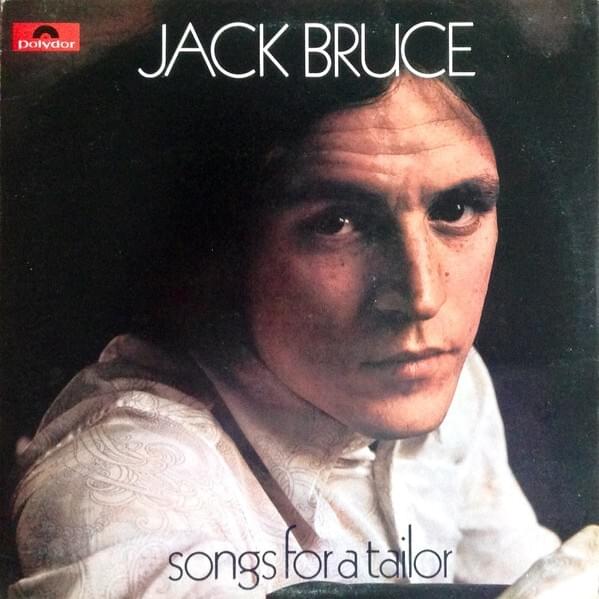
 View Artist