Song Meaning
The lyrics paint a stark picture of a world drained of vitality and meaning, a landscape post-catastrophe where even basic sustenance and joy are elusive. The opening lines establish a pervasive sense of inadequacy; nothing was ever 'good or bad enough,' and there was 'never enough in store.' This sets a tone of scarcity and disappointment, where even a 'feast on the lawn' is already 'picked clean' by the time it's noticed. The narrator recalls a past of grand, almost mythical, adventures – 'walk the nights of mystery,' 'swim the length of the sea' – which now stand in sharp contrast to the present.
The central tension arises from this juxtaposition of a vibrant, almost boundless past with a depleted, broken present. The repeated phrases about past capabilities, like swimming the sea or walking the nights, are subtly altered in later verses to 'walk the fields of mystery' and 'swim the length of the sea,' suggesting a diminishment of scope and experience. The world is characterized by a lack of essential qualities: 'No one was weak or strong enough,' 'Nowhere was young or gay enough.' This suggests a societal exhaustion or a loss of fundamental human capacity and spirit.
A particularly striking image is the transformation of children into 'postmen / In among the chimneys' and later, their 'children weddings / In among the chimneys.' This repeated motif, coupled with the imagery of 'baskets' and 'cages' for people, and 'pieces to the country' or 'green paint to the railways,' evokes a sense of fragmentation and dispossession. The natural world is exploited ('woodmen came to take / Their frozen fees'), and human relationships and roles are distorted into grim, functional tasks or hollow ceremonies, all happening 'in among the chimneys' – a claustrophobic, industrial, or perhaps war-torn setting.
What makes these lyrics so potent is their evocation of a profound, almost existential emptiness through concrete, unsettling imagery. The contrast between the romanticized past and the grim present, the perversion of natural cycles and human roles, and the pervasive sense of scarcity create a powerful emotional resonance. The lyrics don't explicitly state what happened, but they meticulously detail the aftermath, leaving the reader to feel the weight of a world that has lost its substance and its capacity for genuine experience.
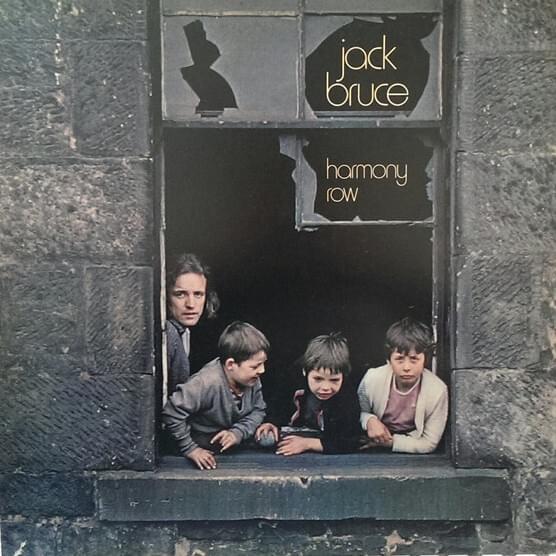
 View Artist