Song Meaning
The lyrics paint a picture of urgent, almost desperate, living. There's a palpable sense of time running out, a need to "use that very precious thing" before it's gone. This isn't about savoring moments; it's about a relentless drive towards an undefined future, symbolized by "standing at the gate." The dominant tone is one of anxiety and a fear of wasting what little time is available, a feeling amplified by the recurring phrase "Don't have time to worry, ain't got time to waste."
The central tension lies between this frantic use of time and the inevitable decay, the "lives of clay" that are falling "by the way side." The narrator grapples with this, admitting "It's so hard, let it slip away" while simultaneously trying to outrun it. This struggle is mirrored in the broader, almost biblical, imagery of "prophets and wise men too" and "town and cities drowning," suggesting a universal, perhaps futile, battle against entropy and the refusal to heed warnings.
The most striking element is the cyclical, almost incantatory, repetition of "Use that very precious thing / Till the life downwards lives of clay." This refrain acts as both a command and a lament, highlighting the paradox of living intensely while acknowledging inherent fragility. The narrator's internal state is further revealed through "Head spinning around the questions, almost lose control" and the plea for "dice one more row," indicating a gambler's desperation, a hope for one last chance against overwhelming odds.
Ultimately, these lyrics resonate because they capture a very human, albeit heightened, experience of mortality and ambition. The writing effectively uses the contrast between preciousness and decay, urgency and inevitability, to create a potent emotional charge. The feeling of being on the precipice, "alone they need to pray," while "grow in skies," suggests a profound, solitary struggle against forces beyond control, making the frantic living feel both understandable and deeply poignant.
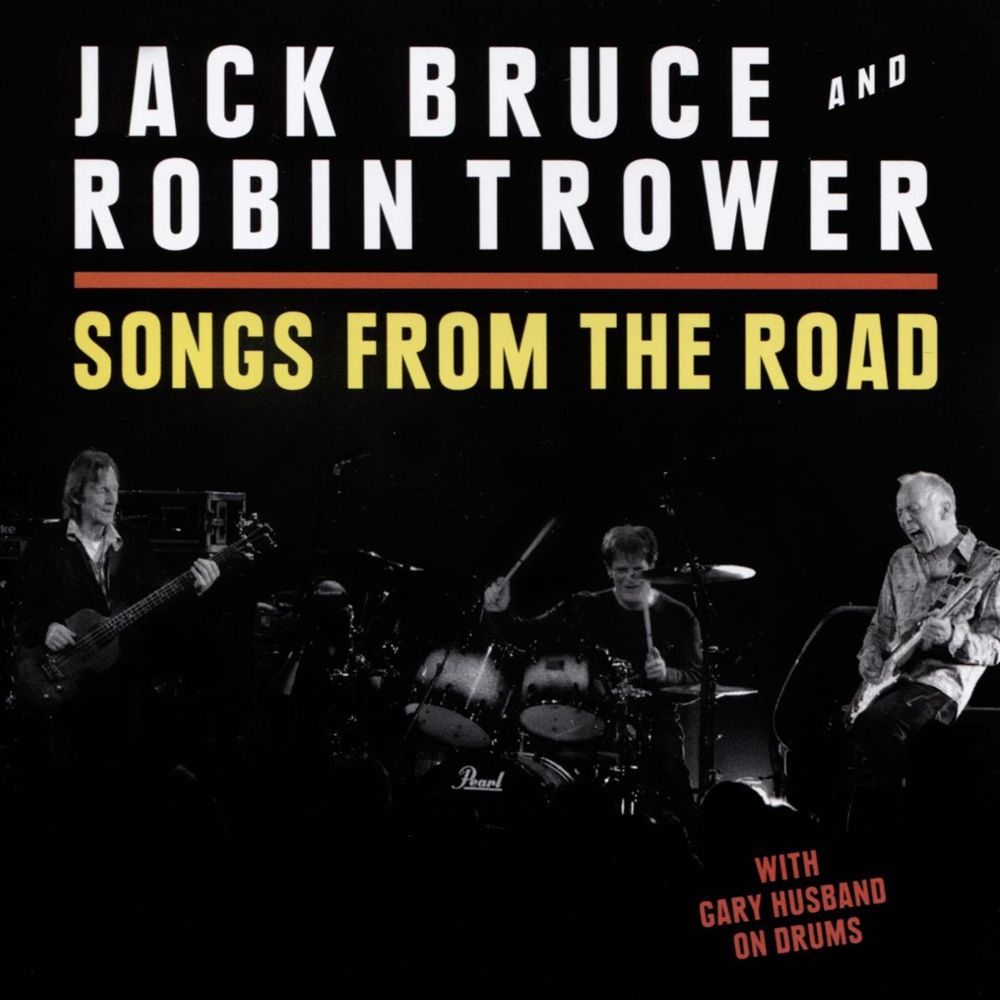
 View Artist