Song Meaning
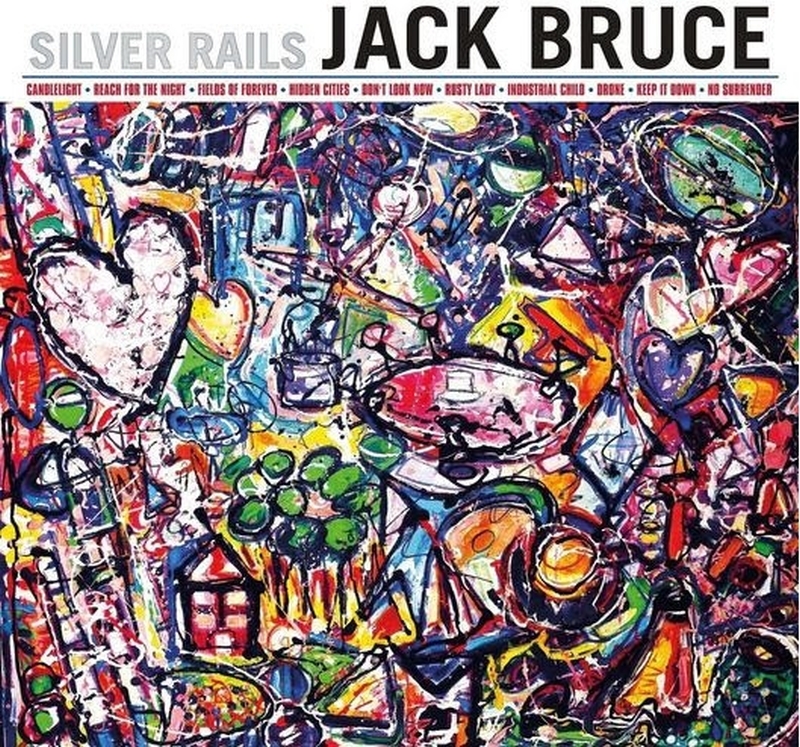
The lyrics paint a picture of a hidden, almost surreal urban landscape existing within the familiar "our city." This "desert city" is a place of stark contrasts, where children "eat light" and later "eat dark," suggesting a duality or transformation. The narrator observes this place from a distance, "in our rearview mirror," implying a sense of detachment or perhaps a fleeting glimpse of something profound that is simultaneously present and just out of reach. The image of "miners stepping over future ruins" in a "brilliant shining city" is particularly striking, hinting at a society that is both advanced and self-destructive, or perhaps one that is built upon the remnants of what is to come.
The central tension arises from the narrator's realization that this hidden city is not entirely separate; "We can't pass right through / We live / Here too." This admission shatters any illusion of distance, forcing an acknowledgment of shared existence and perhaps shared responsibility. The lyrics suggest that the "changes waiting in their smiles" are not just observations but portents that directly affect the narrator's own reality. The cyclical nature of creation and sustenance is then described: "from their smiles, comes the day, comes clear light / And from the day, comes real gold, inside night." This suggests that even in the face of potential ruin or hidden hardship, there is a generative force at play, drawing wealth and understanding from seemingly disparate elements.
The most compelling aspect of the writing is its use of paradoxical imagery and cyclical progression. The "desert city" within "our city," children eating "light" and "dark," and "real gold, inside night" all create a sense of mystery and deep, underlying meaning. The repetition of "we'll know ourselves" linked to "motion" and "calm" suggests a path to self-understanding through embracing both external forces and internal stillness. The introduction of the "dirty river" and land ownership by "just few" introduces a socio-economic layer, contrasting with the communal ownership of "night" by "angry songs and singers," which pointedly "includes us too." This juxtaposition highlights a complex social fabric where both oppression and creative expression coexist.
Ultimately, these lyrics resonate because they capture a feeling of profound interconnectedness and the unsettling awareness that hidden realities are often intertwined with our own. The writing doesn't offer easy answers but instead invites contemplation on the unseen forces, societal structures, and internal landscapes that shape our shared existence. The persistent observation from a distance that collapses into an undeniable presence makes the listener question their own perceived boundaries and the nature of the worlds they inhabit, both visible and hidden.
 View Artist