Song Meaning
Jaci Velasquez's "La Manita" operates as a deceptively simple, yet profoundly resonant lullaby, a sonic balm for both child and caregiver. The repetition of phrases like "Que linda la manita / Que tiene mi bebé" (How lovely is the little hand / That my baby has) transcends mere description; it becomes an incantation, a spell woven with affection and the purest form of maternal adoration. The song's essence lies not in complex narratives or veiled metaphors, but in the unadulterated expression of love for a child's innocent physicality. It's a celebration of the small, perfect details that often go unnoticed in the rush of daily life. Velasquez transforms the mundane—a baby's hand—into something extraordinary.
The song's cyclical structure mirrors the repetitive, comforting rhythms of infancy itself. The simplicity of the lyrics isn't a limitation; it's a strength. It allows the listener, whether parent or child, to project their own feelings of tenderness and connection onto the soundscape. "La Manita" avoids sentimentality by grounding itself in the concrete image of the hand. This specificity elevates the song beyond a generic declaration of love. The hand becomes a symbol of potential, of growth, and of the unbreakable bond between parent and child.
Ultimately, the song's meaning is embedded in its ability to evoke a primal sense of comfort and security. It's a reminder of the power of simple language to convey profound emotion, and of the beauty inherent in the everyday miracle of a child's existence. Jaci Velasquez, through "La Manita", offers not just a song, but a moment of quiet contemplation on the overwhelming joy of parenthood.
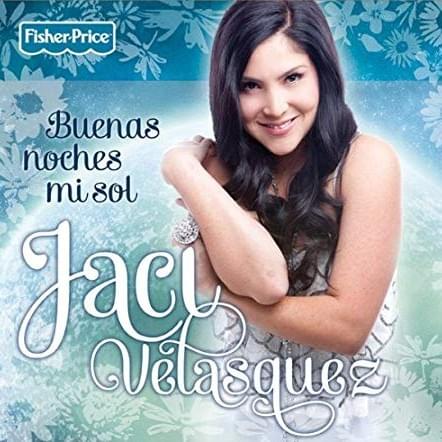
 View Artist