Song Meaning
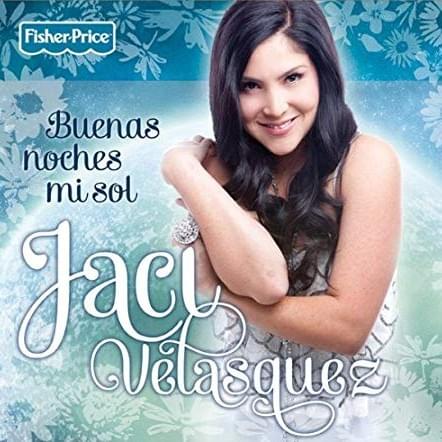
Jaci Velasquez's "Canción De Cuna" isn't just a lullaby; it's a masterclass in sonic intimacy, a whispered promise of safety and affection. The direct translation, "Cradle Song," barely scratches the surface of its emotional depth. Velasquez, known for her crystalline vocals, uses them here with a disarming simplicity. The lyrics, spare and repetitive, function less as narrative and more as pure sonic reassurance. It's a blanket woven from sound. The opening lines, "Duerme ya, dulce bien, mi capullo de nato" ("Sleep now, sweet darling, my newborn bud"), establish an immediate bond of tenderness. The listener isn't merely observing a mother-child relationship; they are invited into its very core. This isn't just about putting a baby to sleep; it's about creating a sanctuary.
The genius of "Canción De Cuna" lies in its understanding of vulnerability. Sleep, after all, is the ultimate surrender, a moment of complete defenselessness. Velasquez addresses this implicitly, offering her voice as a shield against the unknown. The simile "Como el ave en la flor" ("Like a bird in the flower") paints a picture of delicate security, a haven from the outside world. The repetition of "Duerme ya" ("Sleep now") acts as a hypnotic mantra, gently coaxing the listener (child or adult) into a state of peaceful submission. The promise of "Dulces sueños tendras / Al oir mi cancion" ("Sweet dreams you will have / When you hear my song") elevates the song beyond a simple bedtime ritual. It becomes an incantation, a spell cast to ward off nightmares and anxieties.
Ultimately, the song meaning of "Canción De Cuna" transcends language. While the Spanish lyrics add a layer of cultural richness, the core message is universal: the profound and primal need for comfort and connection. Velasquez understands that the most powerful lullabies aren't about complex melodies or clever wordplay. They are about presence, about offering a piece of oneself to soothe another. This song doesn't just lull; it loves.
 View Artist