Song Meaning
The lyrics paint a picture of someone grappling with external pressures to conform, contrasted with an innate sense of self that resists being molded. The narrator, initially identified only as "某某" (a placeholder name), faces judgment for their appearance and perceived lack of conventional success, leading to attempts to "改改新名" (change their name) and fit in. Yet, this effort feels like a "戰鬥" (battle) where the true desire is to be "型" (cool) and "大氣候" (fashionable), not to erase their core identity.
The central tension arises from the conflict between societal expectations and the narrator's inherent nature. They are told to "照做" (do as told) and pressured to be "更瘦" (thinner) or hide perceived flaws like "眼圈太大" (dark circles under eyes) with "砒霜" (foundation). This pressure to "扮作正常" (pretend to be normal) and the loneliness of "永無配偶" (never having a spouse) highlight the emotional toll of trying to fit into a mold that feels unnatural and exhausting.
The most striking aspect is the repeated assertion of being "天生" (born this way). Phrases like "天生未願坐定" (born unwilling to sit still), "天生面上有星" (born with stars on their face), and "天生銀河裡馳騁" (born galloping in the galaxy) create a powerful image of an uncontainable, almost cosmic spirit. This innate quality is described as "魅力怪奇" (weirdly charming) and "行為最隨機" (most random in behavior), directly opposing the "標準的尺" (standard ruler) that "害人綑綁一起" (harms and binds people together).
These lyrics resonate because they articulate the struggle of maintaining individuality against a tide of conformity. The repeated defiance, particularly in the post-chorus with "別理 改改改改哪有用" (don't bother, what's the use of changing, changing, changing), and the final affirmation "天生就別要自卑" (born not to be inferior), offer a cathartic embrace of one's unique, even if unconventional, self. It’s a declaration that true freedom lies not in changing to fit in, but in accepting and celebrating what makes one inherently different.
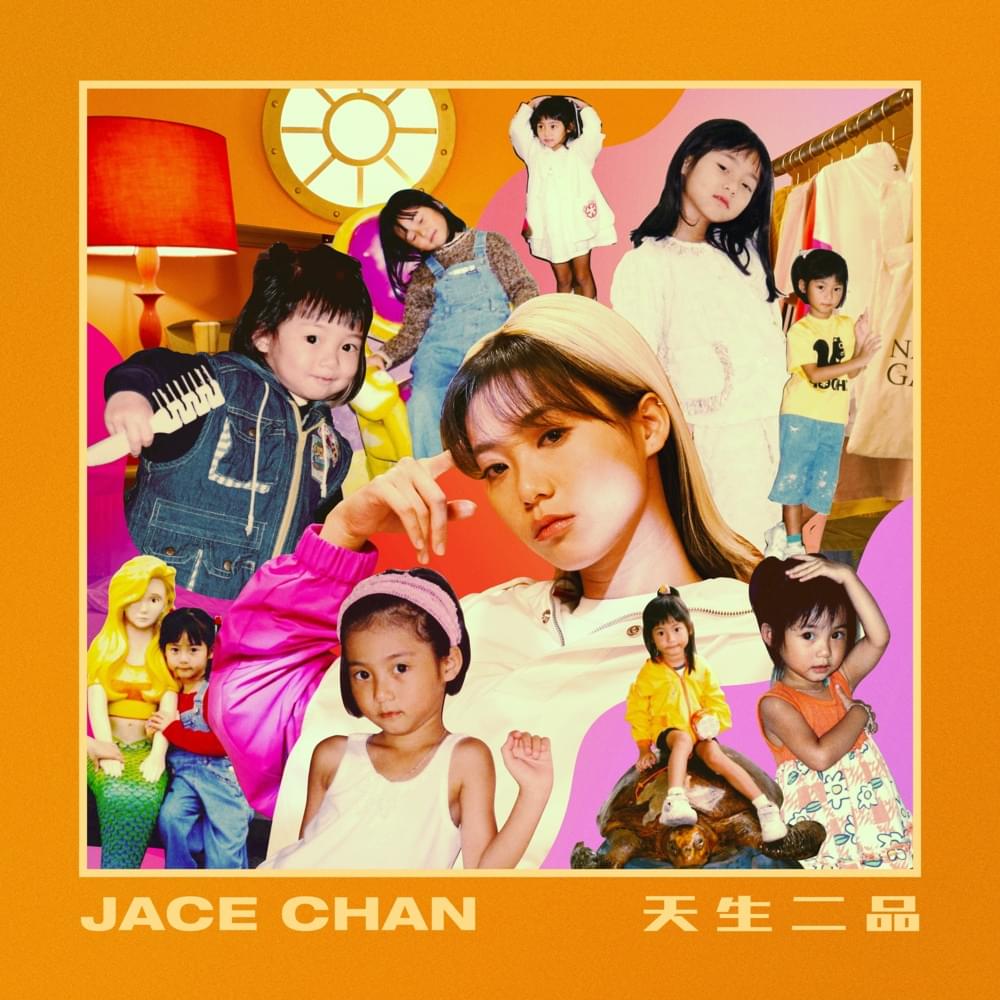
 View Artist