Song Meaning
This skit opens with a weary resignation, a sense of cyclical struggle. The narrator seems caught in a recurring difficult situation, uttering "Here we go again, baby" with a tone that suggests familiarity with hardship. The immediate question, "Where is the pain?" feels like a desperate search for the source of their suffering, or perhaps a challenge to it, as if acknowledging it is the first step toward overcoming it. The desire to "break free" is palpable, a raw impulse against an unnamed oppressive force.
The core of the skit lies in a stark, almost apocalyptic contrast between personal devastation and a grander perspective. The repeated lines "I'm crying, everyone's dead" paint a picture of profound isolation and loss, where the narrator's grief is so immense it feels like the end of the world. Yet, this personal tragedy is juxtaposed with the realization that "it's a big world out there," suggesting a struggle to reconcile individual suffering with the vastness of existence. The plea for divine intervention, "God can only shine his light on me," underscores this feeling of being overwhelmed and seeking external salvation.
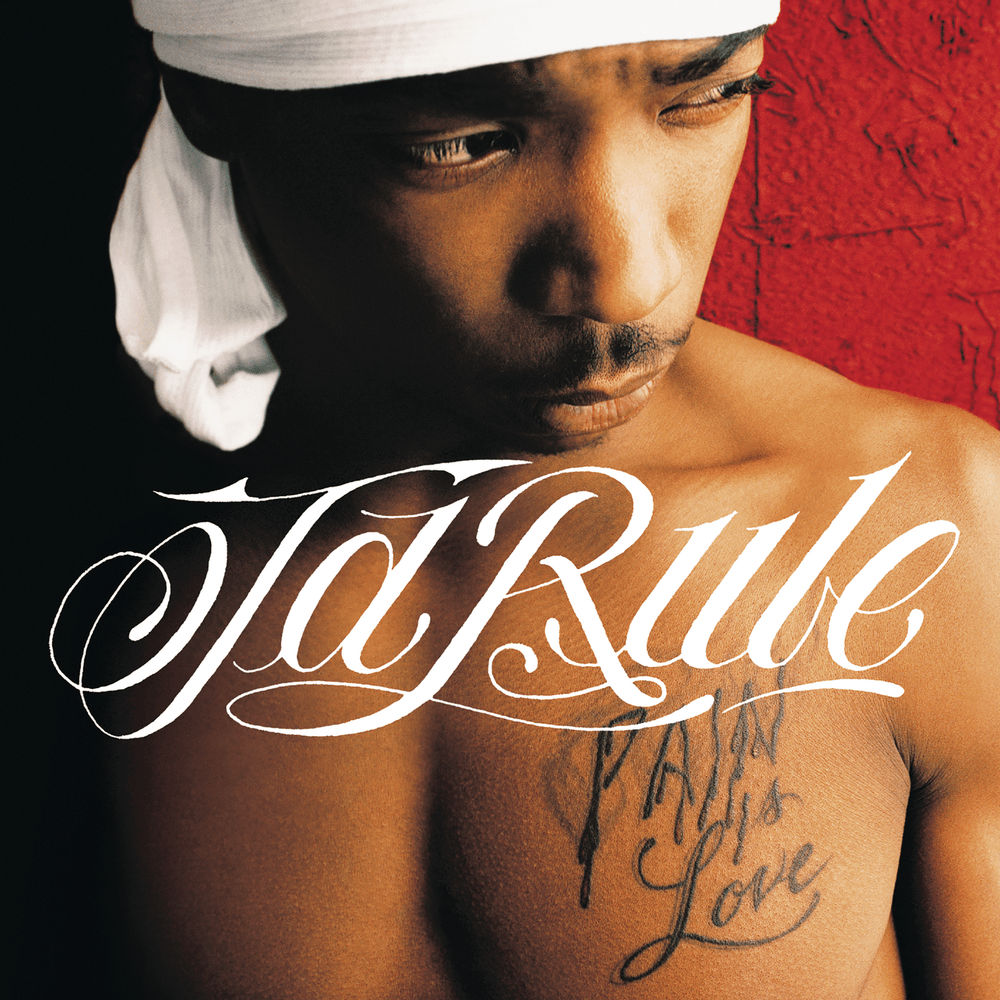
The most striking element is the potent, almost paradoxical phrase "My pain, my love." This isn't just about enduring suffering; it's about an intimate, possessive connection to it. The repetition amplifies this idea, suggesting that pain has become an inseparable part of the narrator's identity and their capacity for love. It implies that perhaps the only love they can access or understand is intertwined with their deepest hurts, a complex emotional knot that defines their current reality. The lyrics suggest a profound, almost spiritual entanglement with suffering, where it has become a defining characteristic of their existence and their emotional landscape.
 View Artist