Song Meaning
The lyrics paint a bleak picture of wasted potential and the corrosive nature of desire. The opening lines immediately establish a paradox: youth is squandered by the young, yet they are also stifled by external forces, leading to a cycle that "goes on." This sets a tone of inevitable, perhaps even tragic, progression. The narrator seems to observe a societal pattern where ambition and longing, framed as "cancer," ultimately lead to decay and regret once opportunities pass.
This sense of irreversible loss is amplified by the stark contrast between living with agency and being stripped of it. The idea of "luxury is a man without a voice" is particularly striking, suggesting that a life devoid of struggle or the ability to assert oneself is a hollow existence. It implies that true living, even if it involves hardship or a "fight," is preferable to passive survival. The repeated phrase "And it goes on" acts as a grim refrain, underscoring the relentless and perhaps inescapable march of time and its consequences.
The most potent element is the internal conflict captured in the "Don't stop" chorus. The narrator oscillates between urging action and desperately wishing for cessation, a clear manifestation of being trapped by circumstance or internal compulsion. This push-and-pull, "you said it now" versus "I wish we would," reveals a deep-seated anxiety about the choices being made and their irreversible outcomes. The lyrics suggest a profound weariness with this cycle, a desire to break free from the momentum of regret and unfulfilled aspirations.
Ultimately, the effectiveness of these lyrics lies in their unflinching portrayal of disillusionment. The imagery, from "bastard kiddies" fed with "fire" to "dreamers" forced into "suits," creates a visceral sense of societal decay and personal compromise. The narrator's voice, though critical, seems resigned, highlighting how easily dreams are abandoned for the sake of security, a trade-off that "goes on" indefinitely.
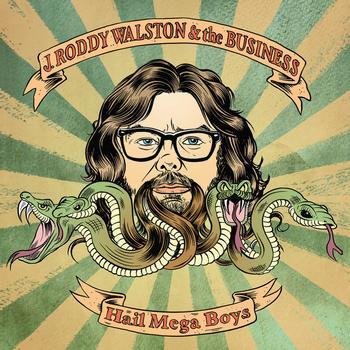
 View Artist