Song Meaning
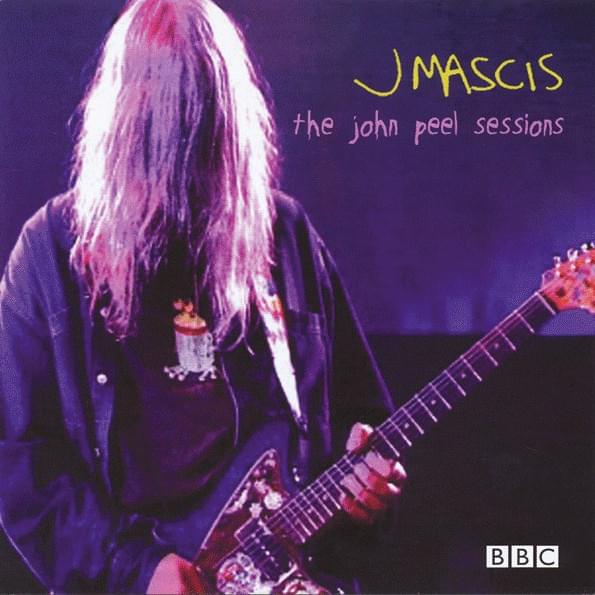
J Mascis, the guitar god of Dinosaur Jr., offers a characteristically oblique, yet emotionally raw, glimpse into the messy terrain of interpersonal connection with "Michael Jackson - You Can Cry On My Shoulder (Polskie Tłumaczenie)." The song, steeped in Mascis's signature fuzz and slacker drawl, isn't a straightforward ballad of comfort, but rather a tangled exploration of codependency, frustration, and the bittersweet recognition of needing someone despite their inherent 'weirdness.' The opening lines, 'Seen enough to eye you / But I've seen too much to try you,' immediately establish a relationship burdened by history, a push-and-pull dynamic where familiarity breeds both intimacy and a weary resignation. This isn't a plea for simple solace; it's an acknowledgment of a bond forged in the crucible of shared experience, even if those experiences are often fraught. The repeated assertion of 'weirdness' acting as a barrier between them suggests that both parties recognize their incompatibility, and the line 'Freak Scene just can't believe us' implies that those around them can not understand the nature of the relationship.
The core of the song meaning lies in this tension between exasperation and enduring attachment. Mascis doesn't shy away from the darker impulses that can plague close relationships: 'Sometimes I don't thrill you / Sometimes I think I'll kill you.' This brutal honesty, delivered with Mascis's trademark deadpan, underscores the intensity of feeling at play. It's not about literal violence, but about the emotional turbulence that comes with vulnerability and the fear of screwing things up. The repeated refrain, 'What a mess,' drives home the chaotic nature of the relationship, the feeling of being trapped in a cycle of conflict and dependence.
Ultimately, "Michael Jackson - You Can Cry On My Shoulder (Polskie Tłumaczenie)" is a testament to the resilience of imperfect connections. It's an anti-love song in a way, stripping away the idealized notions of romance to reveal the messy, contradictory reality of needing someone, even when they drive you crazy. The final plea, 'Just don't let me fuck up will you / 'Cause when I need a friend it's still you,' is the crux of the piece, a raw admission of vulnerability and an acknowledgment that, despite all the 'weirdness' and frustration, this person remains a vital anchor in a storm of his own making. It's a sentiment that resonates far beyond the confines of a typical love song, tapping into the universal human need for connection, however flawed it may be.
 View Artist