Song Meaning
J. Karjalainen's "Kolmella kortilla" isn't just a ditty about a card game; it's a sharply observed miniature on youthful folly and the seductive allure of chance. The repeated phrase, "Kolmella kortilla markan nakkia" (Three cards, a sausage for a markka), initially seems trivial, but it establishes a world of low stakes and immediate gratification – the kind that readily ensnares a young mind. The song's core lies in the depiction of a young man, compulsively drawn to the card table, where the line between "huvia ja työtä" (pleasure and work) blurs into nothingness. He's not just playing; he's desperately seeking a means of survival, a way to circumvent the conventional support systems of family ("Ei elätä pappa ei mamma / Ei sisar eikä veli").
The lyrics hint at a deeper anxiety about societal structures and the perceived lack of opportunity. The card game becomes a microcosm of life itself, where winning and losing are the only tangible outcomes. Karjalainen doesn't explicitly condemn the young man's choices, but rather presents them with a stark realism. There's a sense of resignation in the observation that "Niinhän sen täytyy nuoren pojan onneansa koittaa" (That's how a young boy must try his luck), suggesting that in the absence of viable alternatives, the gamble becomes a necessity. The song subtly critiques the societal pressures that push individuals toward precarious pursuits, where fleeting moments of triumph are juxtaposed against the inevitable sting of defeat.
Ultimately, "Kolmella kortilla" is a poignant commentary on the psychology of risk and the desperation that can drive individuals to seek fortune in games of chance. The youthful player isn't merely chasing wins; he's attempting to construct a sense of agency and self-reliance in a world where traditional safety nets have seemingly dissolved. The song leaves the listener with a lingering sense of unease, questioning the societal forces that lead individuals to wager their futures on the turn of a card.
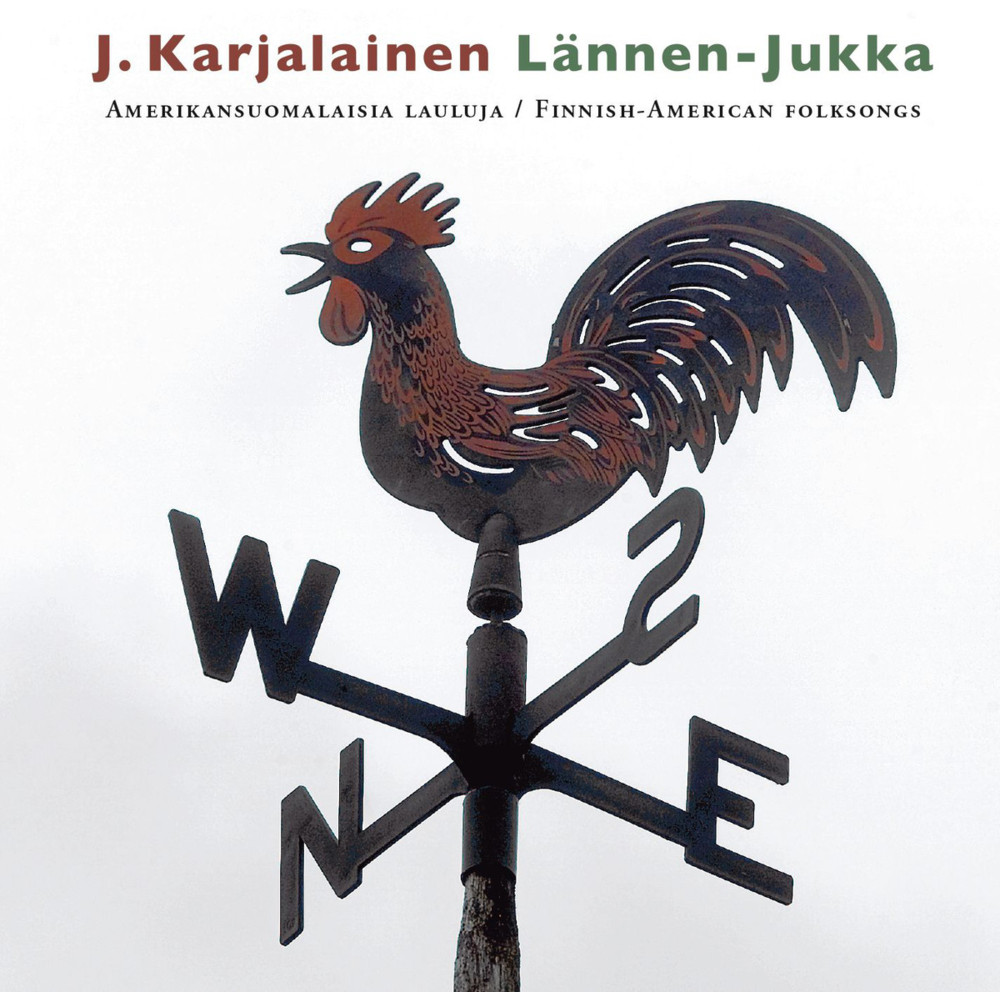
 View Artist