Song Meaning
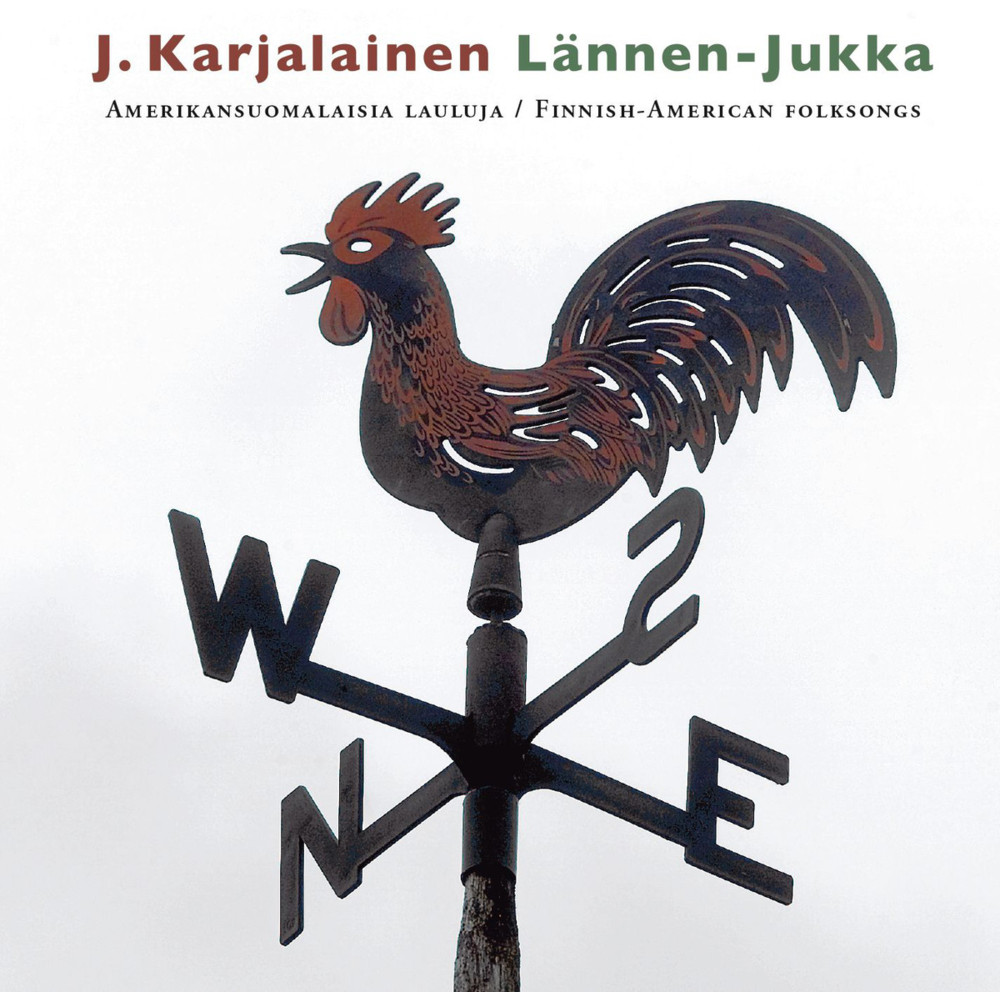
J. Karjalainen's "Hoopon joulu" isn't your typical fireside Christmas carol. It's a stark, almost Dickensian portrait of a holiday spent in the depths of poverty and desperation. The opening lines, with their mention of twinkling lights and stars over the Nordic landscape, initially lull the listener into a familiar Yuletide scene. But this idyllic image is quickly shattered. The "Hessut" (a Finnish slang term, possibly for 'guys' or 'dudes') have landed in Chicago on Christmas Day, 1925, seeking refuge in a cardboard shack – a far cry from the cozy, idealized Christmas celebrated in popular culture. This juxtaposition is key to understanding the song's core message. The lyrics paint a picture of overcrowding, squalor, and physical discomfort. The men are crammed together like sardines, their clothes damp and the air thick with unpleasant odors. Even a blanket from California, symbolic of warmth and prosperity, fails to provide adequate comfort. Sleep offers no escape, as the men are tormented by complaints, political and religious diatribes, and the gnawing pangs of hunger. This collective misery is further amplified by the bitter cold, turning the shack into a pressure cooker of human suffering. The plea to the "Beetlehemin tähtönen" (Bethlehem star) for peace seems almost ironic, a desperate hope in a seemingly hopeless situation. The repeated line, "Ei kurjimmista kurjempi ne löydä enkelin / Ei kurjimmista kurjempi ne jahtaa kopperin" ('The poorest of the poor won't find an angel / The poorest of the poor chase after a copper'), encapsulates the brutal reality of their existence. Instead of divine intervention, they are pursued by the police ("kopperi"), highlighting the vulnerability and lack of protection afforded to those living on the margins of society. The final plea, "Hei hyvä herra kopperi älä pampullasi lyö / Jos hengissä me selvittäis nyt tämä jouluyö" ('Hey good sir copper, don't hit us with your baton / If we could just survive this Christmas night'), serves as a stark reminder of the ever-present threat of violence and oppression. "Hoopon joulu" strips away the sentimentality often associated with Christmas, exposing the harsh realities faced by the most vulnerable members of society and questioning the true meaning of peace and goodwill during a time of widespread suffering.
 View Artist