Song Meaning
The narrator recounts a night that spiraled out of control, initiated by a woman who led him from one social scene to another. He acknowledges a sense of inevitability, noting that "clear thinking would not have made a difference." This suggests a feeling of being swept along, unable to exert control over his own actions or the unfolding events of the evening. The repetition of "drinking down and standing back up" emphasizes a cycle of intoxication and brief recovery, highlighting the persistent nature of his state.
The central tension lies in the narrator's conflicting desires and his perceived lack of agency. He recognizes he "should have gone home" and "should have stopped my drinking," yet simultaneously insists he "could not have gone home." This paradox creates a feeling of being trapped, caught between a desire for self-preservation and an external force or internal compulsion that prevents it. The introduction of the woman as "a sister and his sister" but "doesn't make her my sister" adds a layer of social complexity, hinting at a distance or detachment despite her proximity.
The most striking aspect is the narrator's retrospective analysis of the woman's gaze. He describes her looking at him "like she was on a mission" and "as if I were important," actions that seem at odds with her stuffing beers into her jacket. This contrast suggests a complex dynamic, where his perception of her attention might have been amplified by his altered state, or perhaps her actions held a deeper, unarticulated significance for him in that moment. The ambiguity of her motives and his interpretation fuels the narrative's disquiet.
Ultimately, the lyrics resonate because of this persistent feeling of lost control and the lingering questions about connection and memory. The narrator's final pronouncements, "it would not make a difference," repeated with weary finality, underscore a sense of resignation. The two-year gap since seeing the woman, and the knowledge of her moving on, solidifies the ephemeral nature of that night, leaving the narrator with a profound sense of what might have been, yet ultimately accepting that it changed nothing significant in the long run.
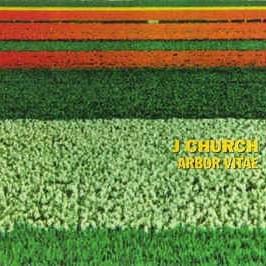
 View Artist