Song Meaning
The lyrics paint a stark picture of internal turmoil masked by mundane reality. Black clouds loom over the Carmel, a heavy, oppressive image that contrasts sharply with the expected excitement of a Tuesday highway drive. The narrator is "driving to myself, alone," a journey that feels less like self-discovery and more like an inescapable, solitary confrontation. This sets a tone of quiet desperation beneath the surface of everyday life.
The central conflict is the persistent "dybbuk" that "doesn't leave me," a persistent, gnawing presence that "pecks at my soul" and "disrupts my dream every night." This isn't a literal ghost, but a powerful metaphor for an intrusive, tormenting internal state. It’s an unshakeable obsession or trauma that invades even the subconscious, leaving the narrator feeling fragmented and haunted.
The most striking craft element is the juxtaposition of profound distress with mundane or even absurd imagery. The "mosaic that is you" is built from "picture after picture," suggesting a fragmented memory or identity, yet this is followed by a disarmingly simple "na na na na." The narrator sleeps "naked alone, like after a night of love," a line that evokes intimacy and vulnerability, but here it underscores a profound, aching solitude rather than connection. This creates a disorienting sense of emotional dissonance.
This lyrical approach is effective because it grounds abstract torment in concrete, relatable, yet unsettling details. The narrator’s retreat to a "forty-year-old in a convalescent home" with a "hot tub in the garden" in a "new land we bought with blood" highlights a desperate search for peace in a place that feels both artificial and historically fraught. The contrast between the desire for "an hour of peace" and the persistent "dybbuk" makes the narrator's internal struggle feel both deeply personal and universally resonant in its depiction of inescapable psychological burdens.
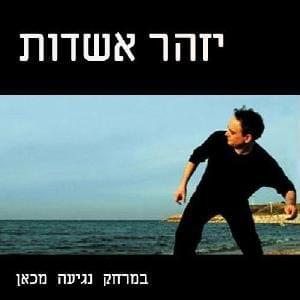
 View Artist