Song Meaning
İzel's "Güle Güle" isn't a simple goodbye; it's a melancholic post-mortem of a love affair, delivered with a sophisticated understanding of emotional complexity. The opening questions – "Who was right, who was wrong? Wasn't love supposed to be impartial?" – immediately dismantle any easy narrative of blame. Instead, the song suggests a relationship undone not by malice, but perhaps by timing or fate, leaving the singer to seek solace in a higher power. This isn't a fiery denouncement; it's a weary resignation. The repeated line, "Forget? Is it impossible?" underscores the central conflict: the struggle to reconcile cherished memories with the painful reality of separation. The singer acknowledges the shared "pain, joy, pleasure," suggesting a rich, multifaceted history now facing erasure. The lyrics paint a picture of a vibrant past, contrasting sharply with the present sense of loss.
The chorus, with its direct "Güle güle kesmem yolunu" ("Goodbye, I won't block your path"), seems to offer a gesture of freedom, yet it's laced with regret. The line "Geç hissettim yolun sonunu" ("I realized the end of the road too late") hints at a missed opportunity, a failure to recognize the relationship's decline until it was irreversible. The singer's lament, "Ner'den buldum ah en zorunu / Ben kime yanayım şimdi?" ("Where did I find the hardest one / Who should I feel sorry for now?") reveals a deep sense of self-pity and confusion. It's not just about losing a partner; it's about the bewilderment of choosing, or being chosen by, someone who ultimately caused such profound heartache.
The song’s power lies in its refusal to simplify the experience of heartbreak. İzel doesn’t offer easy answers or assign blame. Instead, "Güle Güle" explores the messy, contradictory emotions that linger after a relationship ends: nostalgia, regret, confusion, and a lingering sense of injustice. It’s a mature reflection on love and loss, acknowledging the enduring impact of shared experiences even as the paths diverge. The song meaning becomes clear; it's a map of the psychological terrain of a love affair's aftermath, a space where memories haunt and healing is a slow, uncertain process.
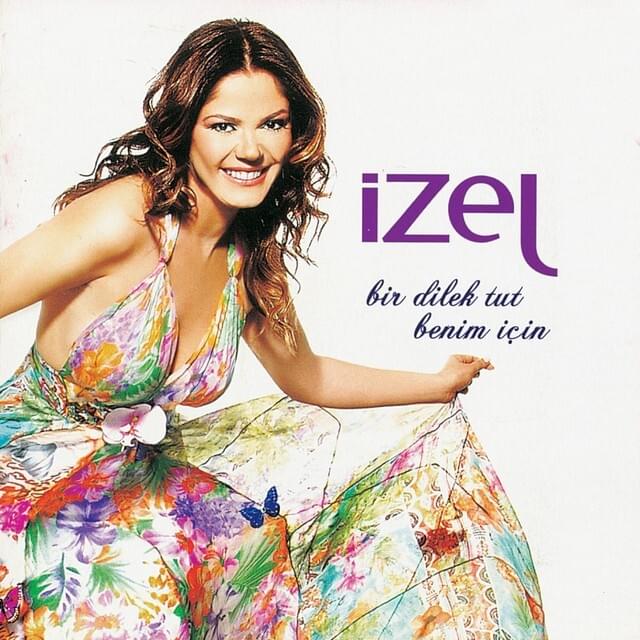
 View Artist