Song Meaning
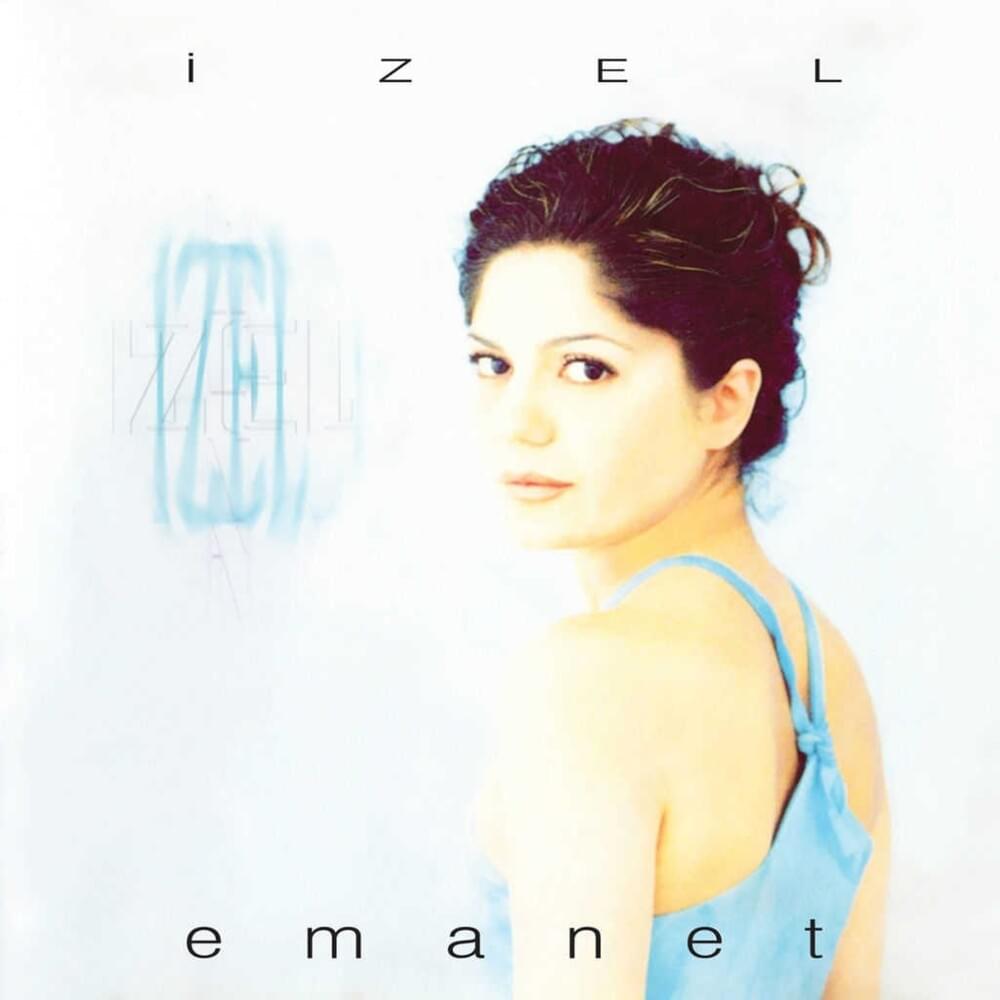
İzel's "Emanet" ("Trust" or "Bequest" in Turkish) excavates the raw nerve endings of a relationship's demise with a stark, almost surgical precision. The opening lines paint a portrait of emotional limbo: abandoned yet never surrendered, forgotten without a true farewell. This is the purgatory of almost-closure, where the door swings shut, triggering a desperate longing, only to be followed by a hesitant desire to return at the slightest crack of light. The lyrics encapsulate the push-and-pull dynamic so common in fading relationships, the agonizing dance between holding on and letting go. The song isn't just about a breakup; it's about the agonizing in-between.
The chorus offers a striking contrast. The sun, a potent symbol of renewal and self-sufficiency, becomes a refuge *before* the lover. This suggests a reclamation of self, a turning towards inner light after the darkness of the relationship. "The sun rises for itself / When we see it" hints at a shared experience of beauty, but one that no longer binds them together. Instead, the sun symbolizes individual awakening. This imagery elevates the song beyond a simple lament, suggesting a journey towards self-discovery.
The recurring question, "Did it have to end like this?," isn't a plea for reconciliation. It's a deeper, more unsettling inquiry into the nature of endings themselves. Was this disintegration inevitable? Is there a 'right' way to sever ties? The repetition underscores the lingering bewilderment, the sense that something precious has been lost, perhaps unnecessarily. "Emanet," in this context, becomes a loaded term. What was entrusted? Was it love, hope, a shared future? And how was that trust ultimately broken or betrayed, leading to this poignant and unresolved conclusion? İzel masterfully captures the messy, lingering questions that haunt us long after the final curtain falls.
 View Artist