Song Meaning
The narrator is desperately seeking a moment of peace, a "pausa," but is met with overwhelming chaos from the other person. They ask for "calma," but the other person stirs up trouble, turning calm waters into a storm. When the narrator pleads for "silencio," the other person responds with accusations, denying their truth. This creates a stark contrast between the narrator's desire for stillness and the other person's disruptive energy.
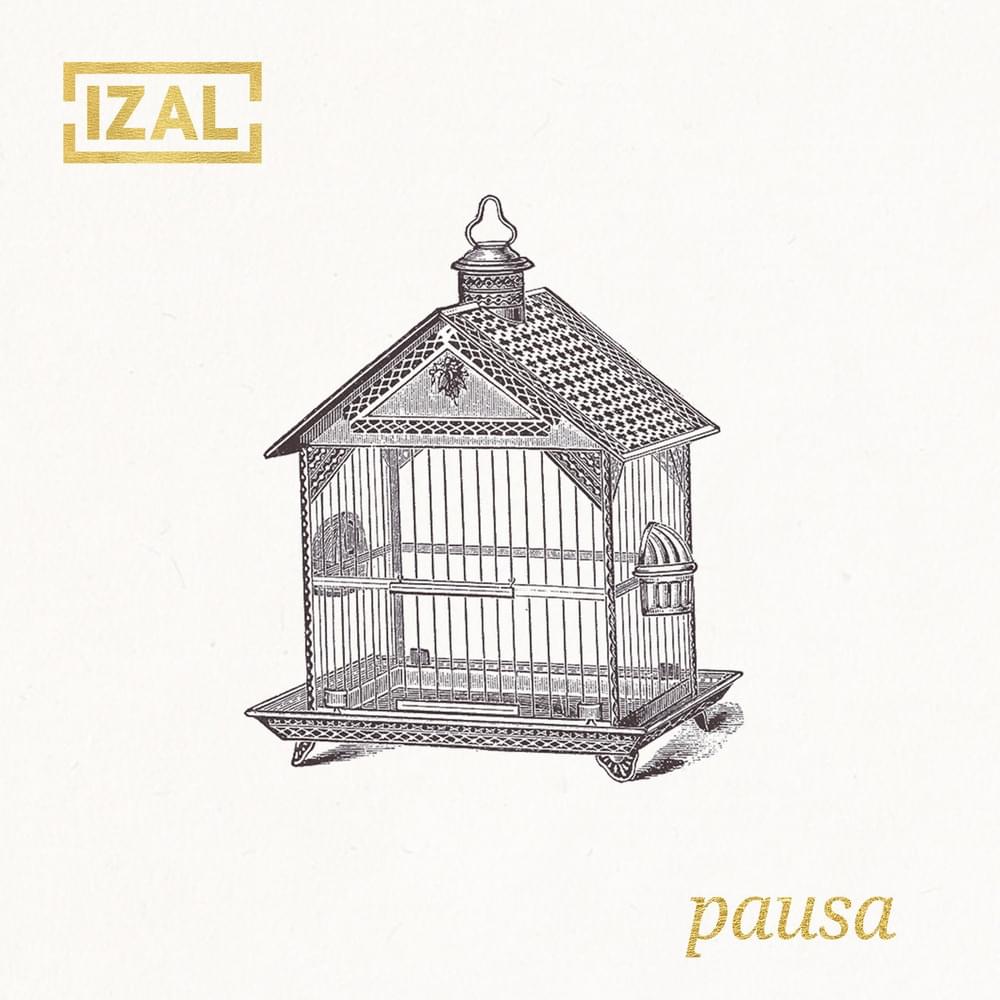
The core tension lies in the profound disconnect between the two individuals. The narrator feels trapped, asking, "¿Tú qué sabrás?" (What do you know?) because the other person seems incapable of understanding their experience. They are accused of not living "dentro de esta jaula" (inside this cage) or experiencing the turmoil firsthand, highlighting a fundamental lack of empathy or shared reality.
The lyrics masterfully employ contrasting desires to illustrate this rift. The narrator wants to "rebobinar" (rewind) or find a "ritmo lento" (slow rhythm), seeking solace and a gentle deception, a "dulce mentira." Conversely, the other person pushes for "velocidad" (speed) and demands "toda la verdad" (all the truth), creating an irreconcilable clash of needs and perspectives. This opposition underscores the narrator's isolation within their own struggle.
Ultimately, the song's power comes from this raw portrayal of unmet needs and the frustration of being misunderstood. The repeated, almost pleading questions of "¿Tú qué sabrás?" amplify the narrator's feeling of being unheard and unseen. The imagery of a "jaula" and turbulent seas effectively communicates the suffocating and chaotic emotional environment the narrator is trying to escape, but cannot, it seems, cannot.
 View Artist