Song Meaning
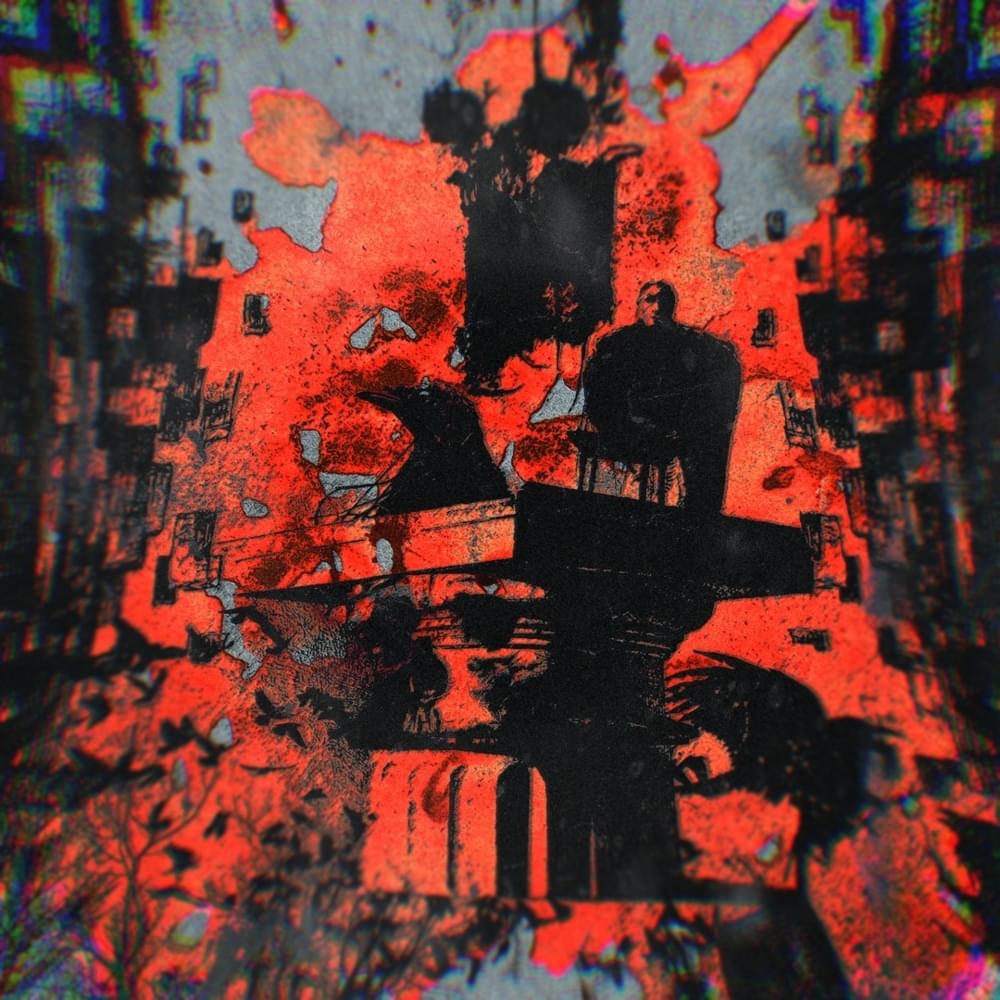
The narrator claims an exhaustive knowledge of the world, cataloging its various facets with a weary, cynical eye. They know the mechanics of deception, the allure of money versus the glint of a blade, and the performative nature of affection. This sweeping declaration of understanding extends to societal hierarchies, where the lines between the 'proud' and the 'cheap' blur, and even to the natural world, observing both the vanity of peacocks and the grim practicality of crows. It’s a world presented as inherently flawed, a place where judgment is easy because perfection is absent.
The central tension lies in this stark contrast: an almost omniscient grasp of external realities versus a profound internal ignorance. The repeated refrain, "Я знаю все, но только не себя" (I know everything, but not myself), hammers home this core paradox. The narrator can dissect the motivations of others, the workings of commerce, and the grim realities of mortality, yet remains utterly lost when it comes to self-understanding. This isn't just a lack of self-awareness; it's presented as a fundamental inability to grasp one's own place or nature within the vast, corrupt world they've so meticulously described.
The most striking aspect of the craft is the relentless, almost incantatory repetition of "Я знаю" (I know). This anaphora builds a powerful sense of authority and experience, but it's a hollow authority. Each declaration of knowledge is immediately undercut by the final line of the stanza, revealing the narrator's ultimate blind spot. The juxtaposition of grand pronouncements about life, death, and society with the simple, devastating admission of not knowing oneself creates a profound sense of irony and pathos. The lyrics suggest that true wisdom isn't about cataloging the external world, but about understanding the internal one, a feat the narrator seems incapable of achieving.
This lyrical construction makes the song hit so hard because it taps into a universal human struggle: the difficulty of self-knowledge amidst the overwhelming complexity of the external world. The narrator's detailed, cynical observations of others and society make their inability to know themselves feel even more poignant. It’s the sound of someone who has spent so much time looking outward, dissecting every flaw and pretense, that they’ve forgotten to look in the mirror. The effectiveness lies in this meticulously built facade of knowledge crumbling under the weight of one simple, devastating truth.