Song Meaning
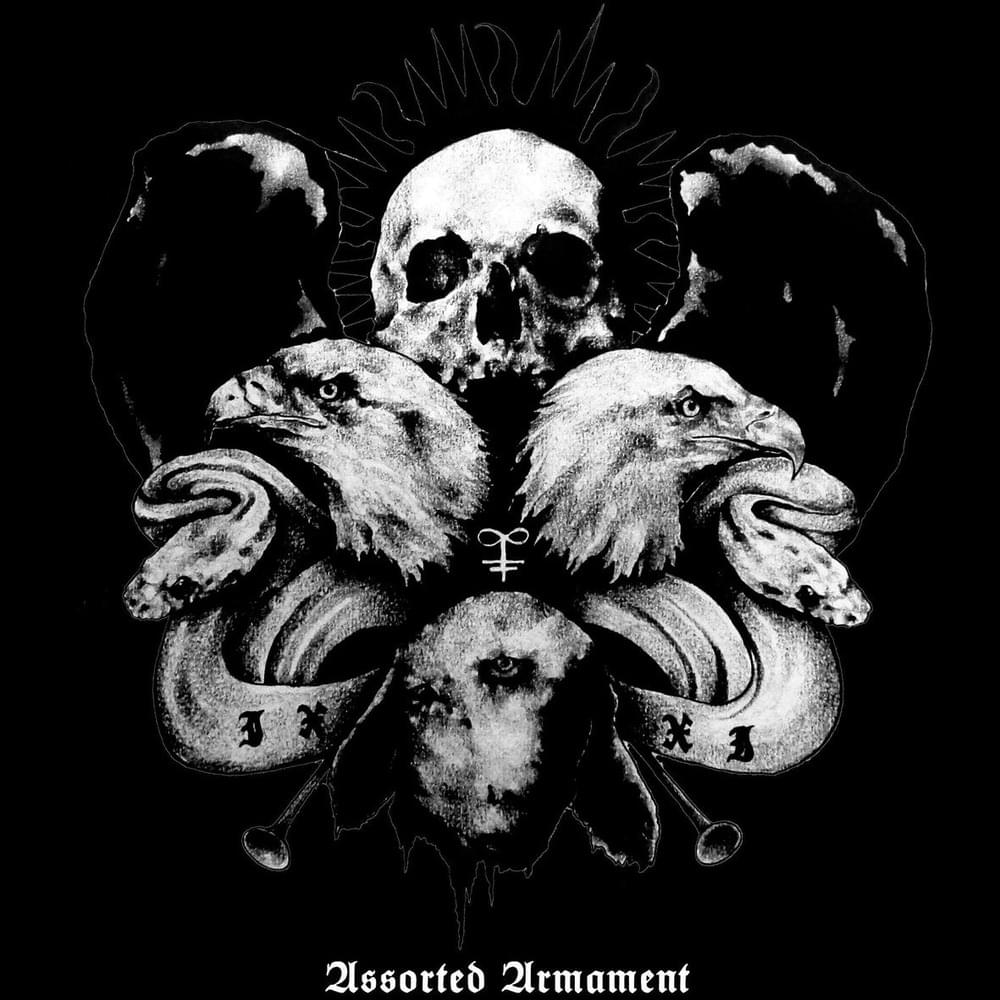
The lyrics paint a picture of a clandestine, almost cult-like movement preparing for a significant confrontation. There's a sense of manufactured unity, where individuals are "born of the horns" and united by a "hidden spread of ideology." The tone is one of fervent, almost zealous conviction, framing their struggle as "holiest" and "all natural force." This isn't just a disagreement; it's presented as a fundamental, inevitable clash.
The central tension lies between the call to arms and the implied vulnerability of the opposition. The narrator urges "generations" to earn "valour to stand in battle," suggesting a lack of courage in the current era. This sets up a stark contrast: the prepared, unified "armies of the Void" versus a potentially unprepared, "shallow era." The movement sees itself as a force of destiny, a "master-army" that will emerge before blame can even be assigned.
The most striking element is the almost spiritual, yet militaristic, language used to describe the group's formation and purpose. Phrases like "holiest," "natural force," and "providence of the netherrealms" imbue their cause with a sense of divine or fated right. This is juxtaposed with tactical language like "inserted, awake, tactically forlorn" and the call to "strike far and wide thy wrath." The "mutual recognition" that "we will look the same" hints at a powerful, enforced conformity within the ranks.
This writing is effective because it taps into a primal sense of belonging and purpose, albeit through a lens of aggressive, almost apocalyptic preparation. The lyrics create a feeling of immense, inevitable power gathering in the shadows, ready to strike. The narrator’s urgent commands – "Soar for me my angel," "Stand fast my guardians," "Stride forth, my brethren" – build a palpable sense of impending action and a fervent belief in their righteous cause, making the listener feel the weight of their "fundamental allegiance."
 View Artist