Song Meaning
The lyrics paint a hazy, almost dreamlike origin story for becoming a musician. The narrator recalls an event near Liepāja, or maybe another city, where something happened, and then their memory became a blur, like a lost film. This initial vagueness sets a tone of uncertainty about the past, suggesting the transition into being a musician wasn't a clear, planned decision but rather an event that just... happened, leaving more questions than answers. The repeated phrase "kaut kas tā kā notika" (something like happened) and "vairāk nekā neatceros" (I don't remember more) emphasizes this elusive beginning.
The central tension arises from the narrator's present circumstances and their future aspirations, juxtaposed with their uncertain past. They question "Kā gan tā var notikties?" (How can that happen?) and "Kā lai tagad dzīvoju?" (How should I live now?), especially concerning wealth: "Kā lai tagad bagāts varu kļūt?" (How can I become rich now?). This is directly tied to their identity as a musician, with the conditional "dziesma šī nepatīk tev" (if you don't like this song) implying that their artistic output is their sole means of potential success, and its reception is precarious. The lyrics suggest a struggle between the artistic calling and the practical need for survival and prosperity.
The most striking craft element is the recurring refrain: "Tālāk lai ir vēl viens pants / Mirklis šis ir interesants / Tā es kļuvu muzikants" (Let there be another verse / This moment is interesting / That's how I became a musician). This self-referential loop is both meta and a bit ironic. It dismisses the profound mystery of their origin as merely an "interesting moment" that warrants another verse, framing the very act of creating the song as the explanation for becoming a musician. It’s a clever way to acknowledge the lack of a concrete narrative by turning it into a structural device.
Ultimately, the effectiveness of these lyrics lies in their raw, unvarnished portrayal of an artist's precarious existence. The narrator claims, "Tas, kam nekā nav / Vienmēr un jau / Te un tūlīt, vakar un rīt / Vienīgi sirds, vārdi un balss" (He who has nothing / Always and already / Here and now, yesterday and tomorrow / Only heart, words, and voice). This stark declaration of having nothing but artistic tools, coupled with the repeated, almost desperate "Dziesma ir mans pasaules gals" (The song is my world's end), creates a powerful sense of commitment and existential stake in their music. The repetition of "Pasaules gals" (world's end) at the conclusion amplifies this feeling, suggesting that their music is not just a career but their entire reality, their ultimate refuge, and perhaps their doom.
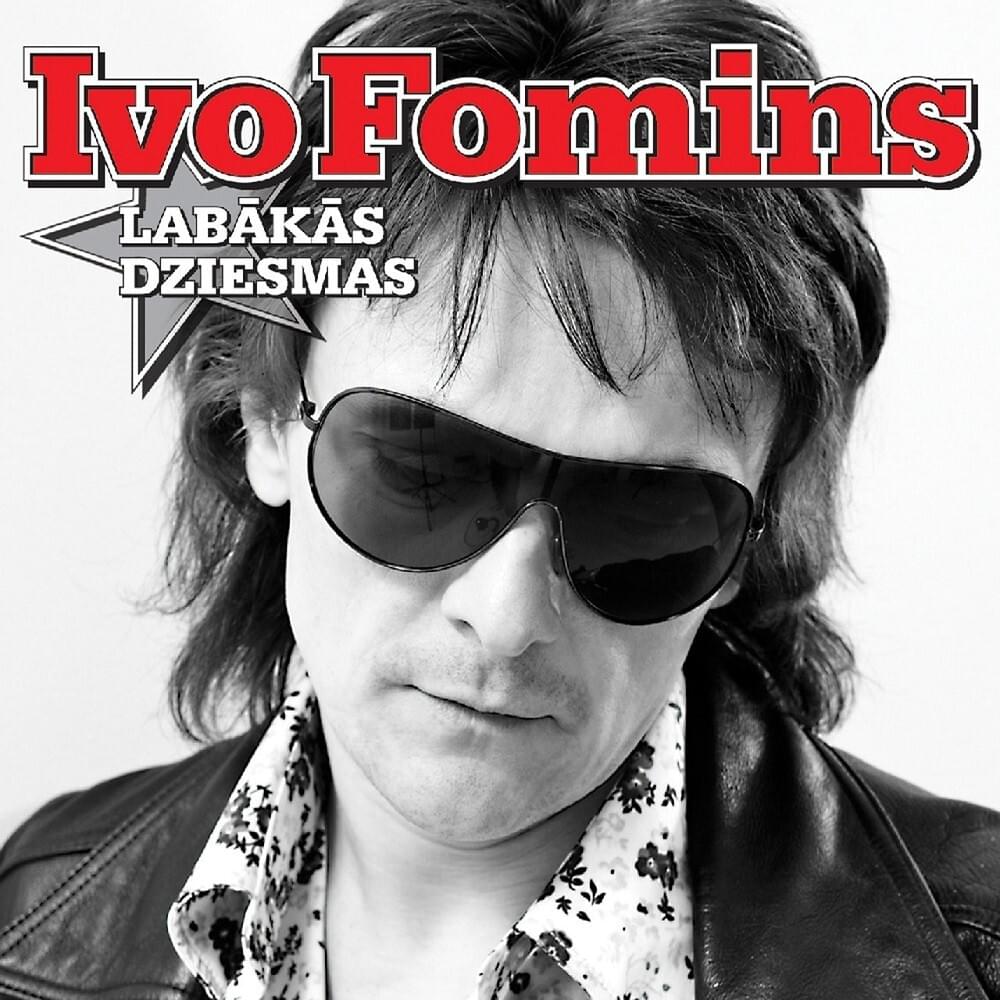
 View Artist