Song Meaning
This track is pure, unadulterated Brazilian party fuel. The lyrics paint a vivid picture of street celebrations, where the energy is so infectious, "não dá pra ficar parado" – you just can't stand still. It’s a "mil volts de alegria," a thousand volts of joy, that propels the narrator, who proudly calls themselves a "gerador da folia," a generator of revelry, chasing after the "trio" (likely a sound system on a float).
The core of the song is an explosion of collective, uncontainable happiness, specifically tied to the spirit of Brazilian carnival. The narrator emphasizes that this festive mood isn't confined to one place; "Em qualquer canto que eu for / Tem carnaval meu amor." This isn't just a fleeting moment; it's a pervasive, almost spiritual force that the narrator actively spreads, having "Trouxe lá de Salvador," bringing it from the iconic carnival city.
The craft here is in its directness and kinetic imagery. Phrases like "O coro come na rua, é madeira, da madeira" evoke a raw, almost primal, communal sound, while the constant call to "Balança aqui, balança lá" creates a sense of physical movement and participation. The lyrics are built around action and sensation, making the listener feel the urge to join the dance until "o dia raiar," until dawn.
Ultimately, the effectiveness lies in its relentless positivity and the feeling of shared, spontaneous joy. It captures the essence of a vibrant, communal celebration where the music itself is a powerful, electrifying force that unites everyone in a dance of pure, uninhibited delight.
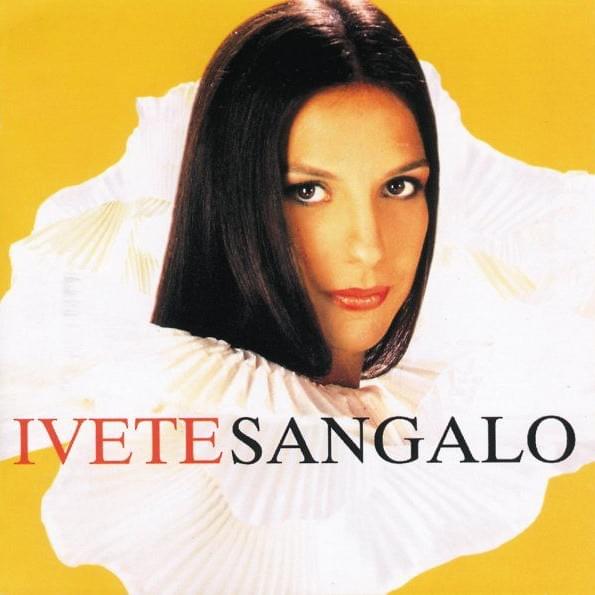
 View Artist