Song Meaning
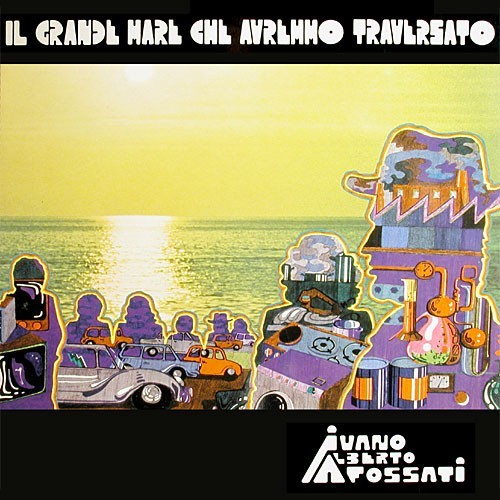
The lyrics paint a stark portrait of a city dweller contemplating the vastness of the sea and, by extension, the unlived possibilities beyond his current reality. The repeated image of the sea, both distant and present, acts as a constant reminder of a world outside the narrator's perceived limitations. He acknowledges his current state: "Sono un uomo di città / Che ha perduto la partita," a confession of defeat and a feeling of being stuck.
This internal conflict is amplified by the contrast between his external immobility and an internal yearning for departure. He admits, "Ma dentro me / C'è una barca che non parte," highlighting a profound inertia. This inner vessel, meant for exploration, remains grounded, mirroring his own inability to act. The core tension lies in this paradox: the desire to venture out versus the paralyzing fear or lack of will to do so.
The most striking aspect is the cyclical, almost self-defeating nature of the imagined journey. The lyrics question the very purpose of leaving if the only thought is returning: "Che bisogno c'è di partire per poi / Non pensare che a tornare." This repetition underscores a deep-seated anxiety about the futility of escape, suggesting that the true obstacle isn't the sea itself, but the narrator's own mindset and his inability to envision a destination beyond his starting point.
Ultimately, the effectiveness of these lyrics stems from their raw, unvarnished portrayal of existential paralysis. The simple, direct language and the recurring imagery of the sea create a palpable sense of longing and regret. The final lines, "Qui davanti me / C'è il mare / Ce la potrei fare," offer a sliver of hope, a tentative acknowledgment of potential agency, but it's a hope tinged with the melancholy of all the times he's stood there and *not* gone.
 View Artist