Song Meaning
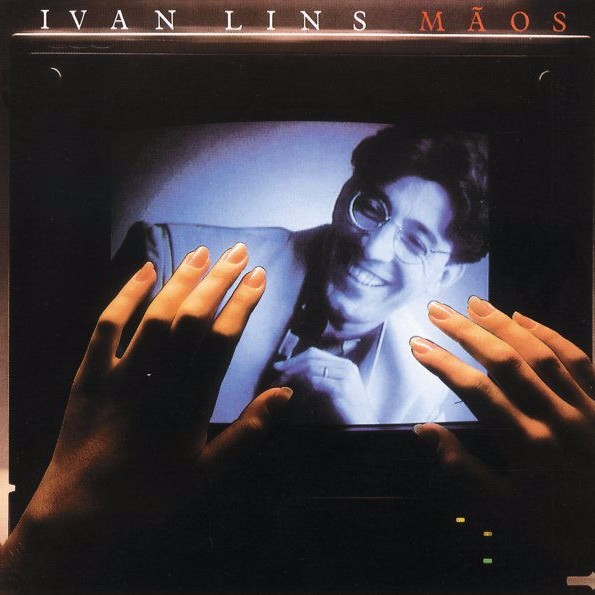
Ivan Lins's "Mãos" is less a song than an invocation, a secular hymn to the human hand. The Portuguese word "mãos" translates directly to "hands," and Lins constructs a powerful litany praising their myriad functions. It's a celebration of hands not merely as tools, but as extensions of the soul itself, capable of both immense creation and profound empathy. The repetition of "Louvadas e livres sejam as mãos / Lutai, lutai por nós" ("Praised and free be the hands / Fight, fight for us") functions as a chorus, a plea, and an affirmation all at once. This isn't just about manual labor; it’s a call for hands to actively champion our collective well-being. The lyrics paint hands as agents of justice and compassion.
The song meaning deepens as Lins details the specific roles hands play in our lives. He highlights "Mãos que apuram os fatos" ("Hands that verify the facts") – the hands of investigators, journalists, truth-seekers. Then he juxtaposes this with "Mãos que amparam o parto" ("Hands that support childbirth") – the hands of midwives, doctors, nurturers bringing new life into the world. This constant interplay of action and care creates a powerful sense of wholeness. The lines "Mãos que têm alma nos dedos / Mãos que desvendam segredos / Mãos generosas com plantas e animais" ("Hands that have soul in their fingers / Hands that unravel secrets / Generous hands with plants and animals") elevates the hand to a near-mystical status. It's implied that hands aren't simply appendages but conduits of intuition and kindness, recognizing the interconnectedness of all living things.
The song's latter verses explicitly address inclusivity. "Mãos de todas as raças / Mãos levantadas nas praças / Mãos que aprenderam a falar por sinais" ("Hands of all races / Hands raised in the squares / Hands that learned to speak in signs") emphasizes a universality of human experience. The image of hands raised in public squares suggests protest, solidarity, and the assertion of rights. The inclusion of sign language underscores the hand's power to overcome barriers and foster communication. "Mãos carregadas de afeto / Mãos que estão sempre por perto / Mãos que se elevam aos céus por seus ais" ("Hands full of affection / Hands that are always nearby / Hands that rise to the heavens for their woes") closes the circle, reminding us of the hand's capacity for comfort, presence, and spiritual connection. In essence, "Mãos" is a testament to the profound impact of human touch and action, a reminder of our shared responsibility to care for each other and the world around us.
 View Artist