Song Meaning
Ivan Lins's "Espero" isn't just a song; it's a carefully etched portrait of longing. The Portuguese word "Espero" translates to "I hope," immediately setting the stage for a wistful meditation on time, memory, and the elusive nature of happiness. The lyrics paint a vivid picture of a man yearning to reconnect with his past, specifically a simpler, perhaps more carefree existence. He doesn't just want to remember; he actively hopes to *re-experience* it. The opening lines, referencing "becos antigos" (old alleys), "companheiros de copo" (drinking buddies), and "verdadeiros amigos" (true friends), suggest a yearning for authentic connection, a desire to return to the unpretentious camaraderie of his youth. This isn't mere nostalgia; it's a psychological need to reclaim a sense of belonging.
The second verse expands on this theme, invoking "luas vadias" (wandering moons), "frases, canções, boemia" (phrases, songs, bohemia), and "fases do tempo em que eu fui feliz" (times when I was happy). Here, Lins isn't just remembering specific people or places, but an entire *atmosphere*, a vibe, a state of being. The reference to bohemia hints at a rejection of conventionality, a longing for the freedom and artistic expression that may have been lost along the way. The wandering moons symbolize the free-spirited nature of that past, a stark contrast to the perceived constraints of the present.
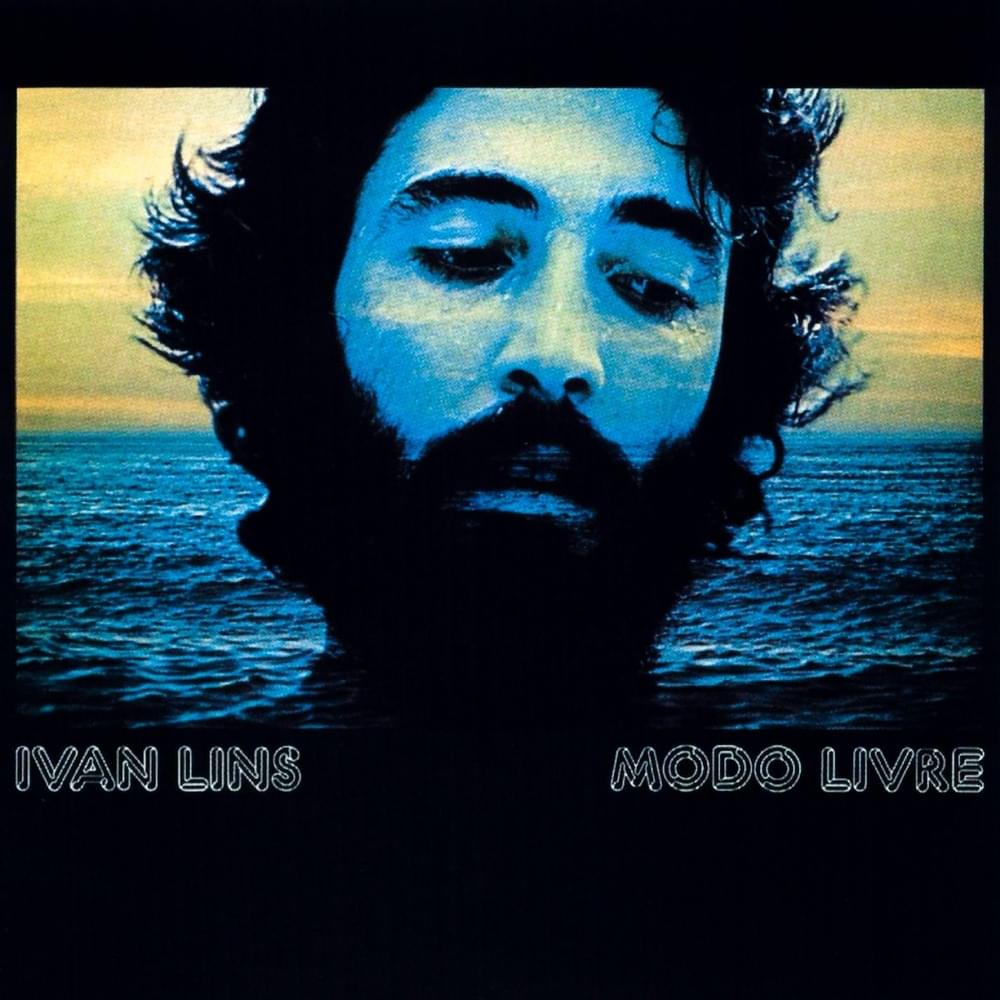
Ultimately, "Espero" is a poignant reflection on the human condition. The final verse, with its imagery of church bells and a lost sense of freedom, drives the point home. The bells signal a return to tradition and community, but also highlight what's been lost: "Meu modo livre que foi desfeito/Com o tempo" (My free way that was undone/With time). Lins isn't simply wallowing in nostalgia; he's acknowledging the profound impact of time and experience on the self. The song captures the universal desire to recapture moments of pure, unadulterated joy, even as we understand that time inevitably marches on, reshaping us in its wake.
 View Artist