Song Meaning
Ivan Lins's "Desejo" isn't just a song; it's a distilled longing, a masterclass in Brazilian saudade. The lyrics, deceptively simple, paint a portrait of a man utterly consumed by a past love. He anticipates a future encounter, not with hope of rekindling, but with a kind of masochistic acceptance of his role as a "slave" to the lingering "flavor" of her kiss. This isn't about romance; it's about the exquisite pain of memory. The initial lines suggest an almost passive yearning, a willingness to be found and reminded of what's lost. The setting is vague, yet evocative: "the final nights," "the doors of the docks." These hints suggest clandestine meetings, fleeting moments charged with intensity, now relegated to the realm of bittersweet recollection. The docks themselves, a transient space of comings and goings, perfectly mirror the temporary nature of the relationship.
The shift in tone arrives with the plea, "Forget the end, come and make me desire." This isn't a request for love, but for the raw, visceral feeling of wanting. It's a desire for desire itself, a conscious choice to embrace the torment rather than let the memory fade. He's not asking for a repeat performance of the relationship, but for a repetition of the feeling it ignited. The repetition of "nights" and "docks" reinforces the cyclical nature of memory, how certain places and times become inextricably linked to specific emotions. Lins understands the human condition: that we sometimes cling to painful memories precisely because they prove we were once capable of feeling deeply.
Ultimately, "Desejo" explores the complex relationship between memory, desire, and self-inflicted emotional states. The song meaning resides not in the narrative of the lost love, but in the protagonist's conscious decision to inhabit the role of the yearning lover. The "laughs" and "sighs" mentioned aren't just relics of the past; they're fuel for the present, a constant reminder of what was and what can never be again. Ivan Lins crafts a soundscape of bittersweet acceptance, recognizing that sometimes, the most profound connection we have is with the ghost of a feeling.
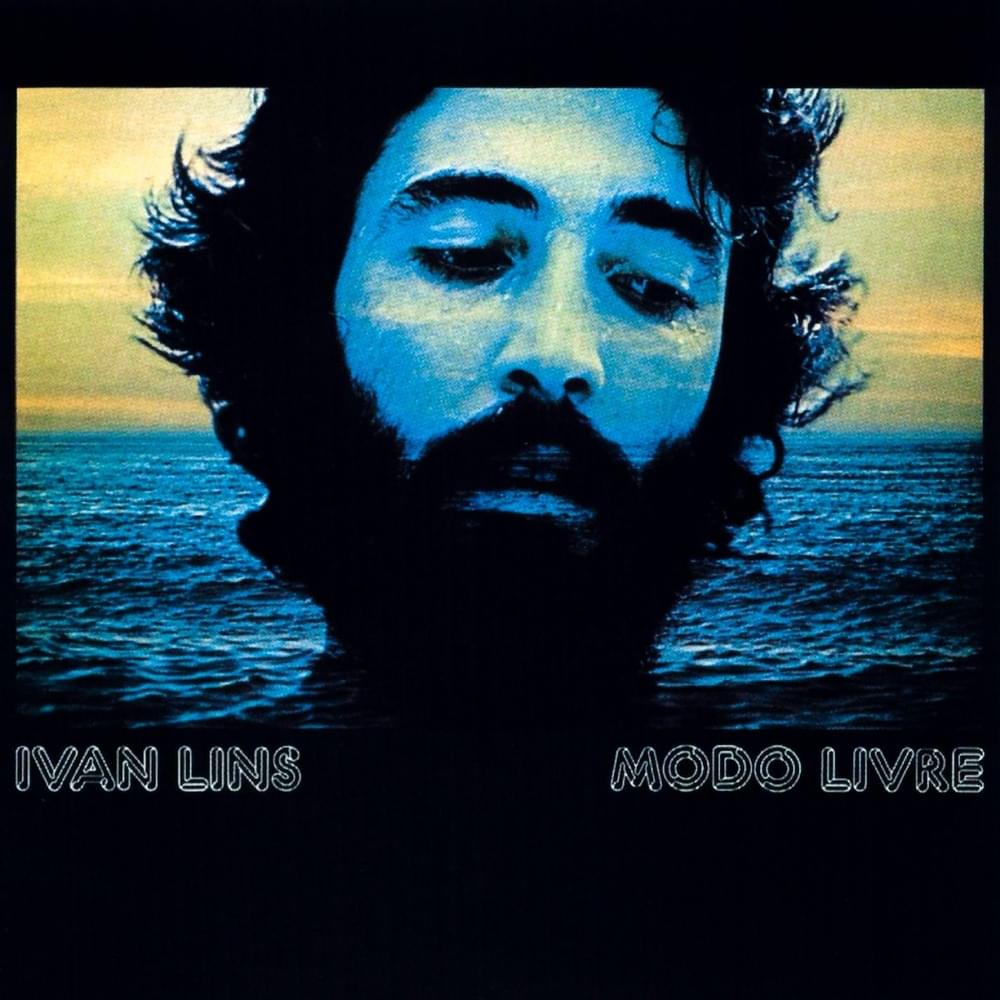
 View Artist