Song Meaning
Ivan Lins's "Daquilo que eu sei" spirals around a central paradox: purity found not in sterile detachment, but in a full-bodied embrace of experience. The lyrics hint at a journey of discovery, one where the narrator acknowledges the limits of knowledge and certainty. "Nem tudo me deu clareza / Nem tudo foi permitido / Nem tudo me deu certeza" suggests a world of ambiguity and boundaries, both imposed and inherent. The repetition emphasizes the weight of these limitations, yet it's not a lament. Instead, it sets the stage for a radical act of engagement. The song meaning resides within the deliberate choice to immerse oneself in the world, senses wide open.
The core of Lins's message lies in the sensual, almost defiant, act of experiencing everything. "Não fechei os olhos / Não tapei os ouvidos / Cheirei, toquei, provei." It's a refusal to be shielded or censored, a commitment to confronting reality head-on. The crucial line, "Só não lavei as mãos," is the key. It's a metaphor for refusing to cleanse oneself of the world's grime, of the messy, uncomfortable truths that come with genuine engagement. It's about accepting the stains of experience as proof of a life fully lived.
The repeated refrain, "Cada vez mais limpo!" is not about literal cleanliness, but about a deeper, existential purification. It's the kind of cleansing that comes from facing reality without flinching, from allowing oneself to be marked by the world. The song suggests that true purity isn't found in avoiding the mess, but in moving through it, absorbing its lessons, and emerging transformed. The "Daquilo que eu sei" lyrics ultimately paint a picture of a person who finds clarity and a strange kind of grace in the act of unfiltered living.
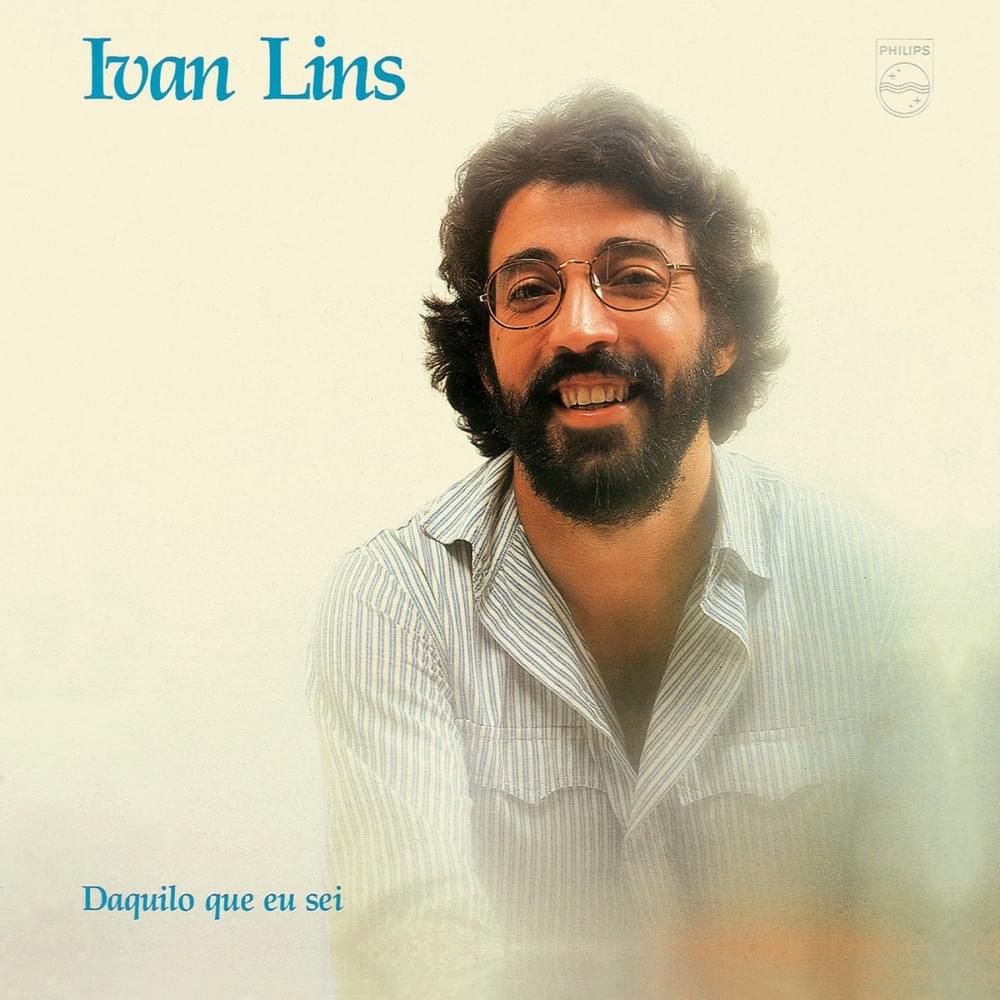
 View Artist