Song Meaning
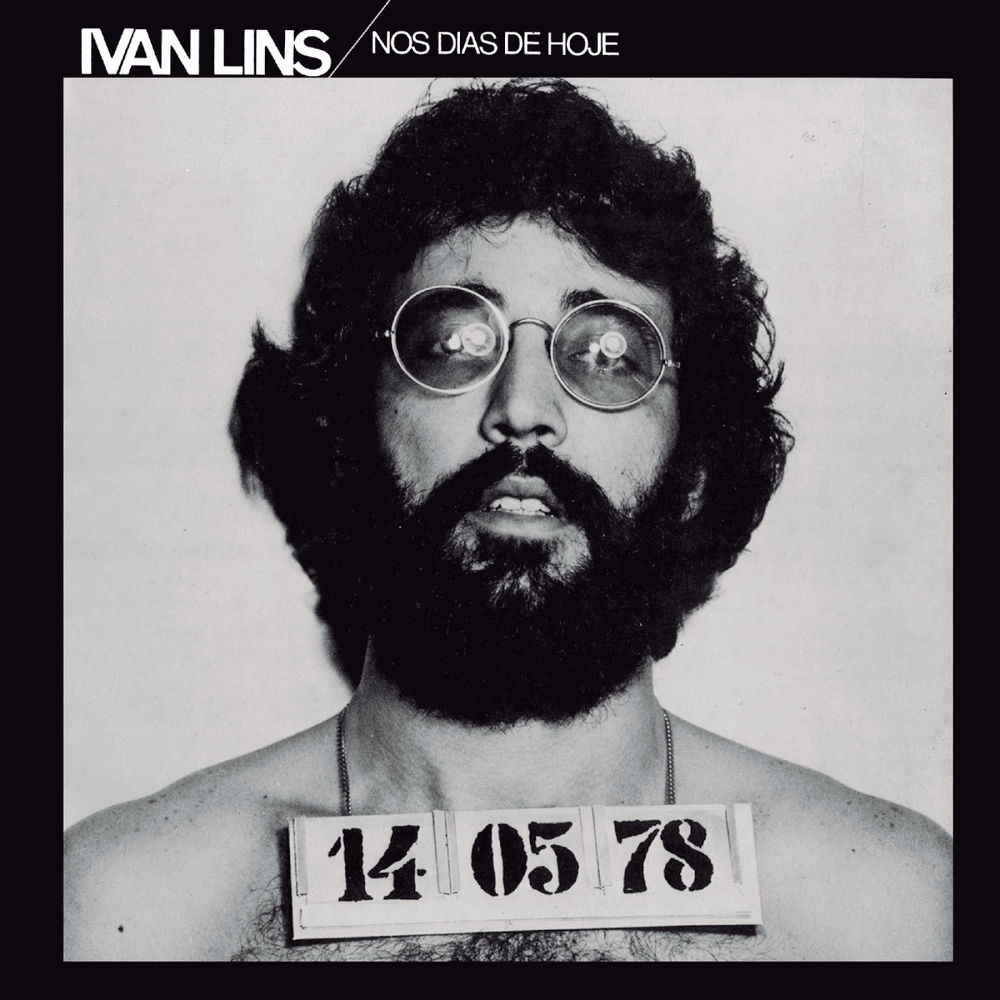
Ivan Lins's "Cartomante" isn't just a song; it's a coded survival manual for navigating an era of veiled threats and systemic oppression. The opening lines, steeped in paranoia, paint a stark picture: "Nos dias de hoje é bom que se proteja / Ofereça a face pra quem quer que seja" ("In these days, it's good to protect yourself / Offer your face to whoever it may be"). This isn't mere caution; it's a directive to feign submission in the face of unseen power, a chillingly pragmatic approach to self-preservation. The verse functions as a catalogue of quiet desperation, urging listeners to withdraw from public life ("Não ande nos bares, esqueça os amigos"), to erase themselves to avoid becoming targets. The singer is imploring the listener to remain alive and to be patient because God is with us up to our necks, a phrase indicating dire straits. This sense of pervasive dread, of walking on eggshells, speaks volumes about the sociopolitical climate that birthed the song. The song meaning is deeply entrenched in fear.
The pre-chorus offers a fatalistic acceptance of predetermined outcomes: "Já está escrito, já está previsto / Por todas as videntes, pelas cartomantes" ("It is already written, already predicted / By all the seers, by the fortune tellers"). This isn't a celebration of mystical insight but rather a resigned acknowledgment that the powers that be have already rigged the game. The cartomantes, the fortune tellers, aren't offering hope; they're merely confirming the inevitable. This reinforces the feeling of helplessness, suggesting that resistance is futile because the future is fixed, the path laid out by forces beyond individual control. Lins uses this imagery to amplify the psychological weight of living under constant surveillance and oppression.
The repetition of "Cai o rei de Espadas / Cai o rei de Ouros / Cai o rei de Paus / Cai, não fica nada" ("The King of Swords falls / The King of Gold falls / The King of Clubs falls / Falls, nothing remains") is the song’s devastating climax. The fall of the kings, representing different facets of power (military, economic, social), isn't a triumphant revolution. Instead, it's a nihilistic annihilation. The refrain is not a promise of a better tomorrow, but a stark declaration of total collapse. The repetition emphasizes the scale of the destruction, driving home the point that the entire structure is crumbling. This isn't just about the downfall of specific leaders; it's about the disintegration of the entire system, leaving nothing but ruin in its wake. This collapse may be a warning or an expression of disillusionment. Ultimately, "Cartomante" is a haunting reflection on the psychological toll of living in fear and a bleak commentary on the fragility of power.
 View Artist