Song Meaning
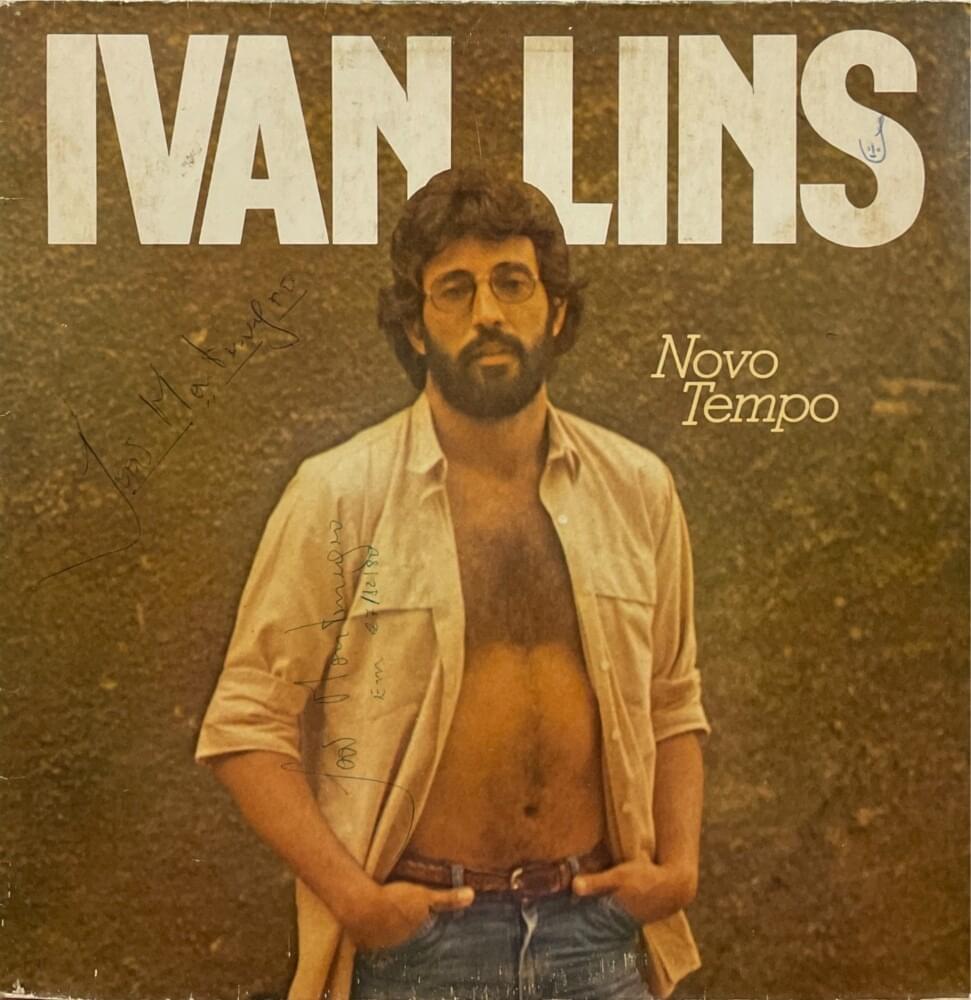
Ivan Lins's "Bilhete" isn't a gentle farewell; it's the sound of scorched earth. The opening lines paint a picture of deliberate, almost childish acts of rebellion—breaking a plate, locking a room, stealing a drink. These aren't expressions of grief, but calculated moves in a personal war, setting the stage for the brutal honesty to come. It's a preemptive strike against any lingering sentimentality. The speaker is not just ending a relationship, they are actively dismantling its remnants, brick by brick. This is the sound of drawing a hard line.
The core of the song meaning lies in the visceral declaration, "Eu limpei minha vida / Te tirei do meu corpo / Te tirei das entranhas / Fiz um tipo de aborto." The metaphor of abortion is striking, suggesting the relationship wasn't just unwanted, but a parasite, something that needed to be surgically removed for the speaker's survival. It speaks to a deep level of entanglement, where the other person had become so intertwined with the speaker's identity that separation required a drastic, almost violent act. This isn't a polite uncoupling; it's a psychic amputation. The raw, unflinching language reveals a desperate need to reclaim oneself.
The final verses offer a chillingly pragmatic closure. The instruction to throw the key under the door is not about preventing a future reconciliation, but about eliminating the temptation to even consider it. "Para não ter motivos / De pensar numa volta" is a direct admission of the speaker's own vulnerability, their awareness that lingering access could reignite the flame. The closing "Boa sorte, adeus" repeated, feels less like a genuine wish and more like a final, decisive severing of ties. It's a cold, resolute farewell, delivered with the chilling certainty of someone who knows exactly what they need to do to survive.
 View Artist