Song Meaning
IU's "Wait" (기다려) operates with a tantalizing minimalism, a study in delayed gratification that's as psychologically astute as it is musically sparse. The track hinges on a single, repeated Korean word – 기다려, meaning "wait" – amplifying the tension inherent in the act of anticipation. It's a sonic embodiment of the Freudian concept of the 'unheimlich,' the uncanny feeling of something familiar becoming unsettling. The lyrics themselves offer little narrative, instead presenting a stark desire for a concealed aspect of a person to be revealed. "This isn't the feeling," IU sings, urging for the release of "the child" hidden deep within. This isn't a plea for simple honesty; it's a craving for unfiltered, perhaps even unpleasant, authenticity. It's the acknowledgment that true connection often necessitates witnessing the less polished parts of another.
The genius of "Wait" lies in its understanding of human desire. We're conditioned to seek pleasantness and avoid conflict, yet the song suggests a deeper, almost perverse, fascination with the breaking point. The chorus, with its stark imagery of "closed lips opening" and a "kind face distorting," hints at a yearning for vulnerability, even if that vulnerability manifests as something outwardly negative. It's a desire to see beyond the carefully constructed facade, to witness the raw, unfiltered emotion that lies beneath. The repetition of "wait" isn't just a passive act; it's an active, almost predatory, anticipation.
Ultimately, IU's "Wait" isn't simply about waiting for something to happen; it's about the complex emotional landscape we inhabit while waiting. It's about the tension, the desire, and the slightly unsettling thrill of witnessing someone shed their carefully constructed persona. The song meaning, distilled to its essence, is a challenge to the listener: are you brave enough to not only wait for the truth, but to embrace it, even when it's ugly?
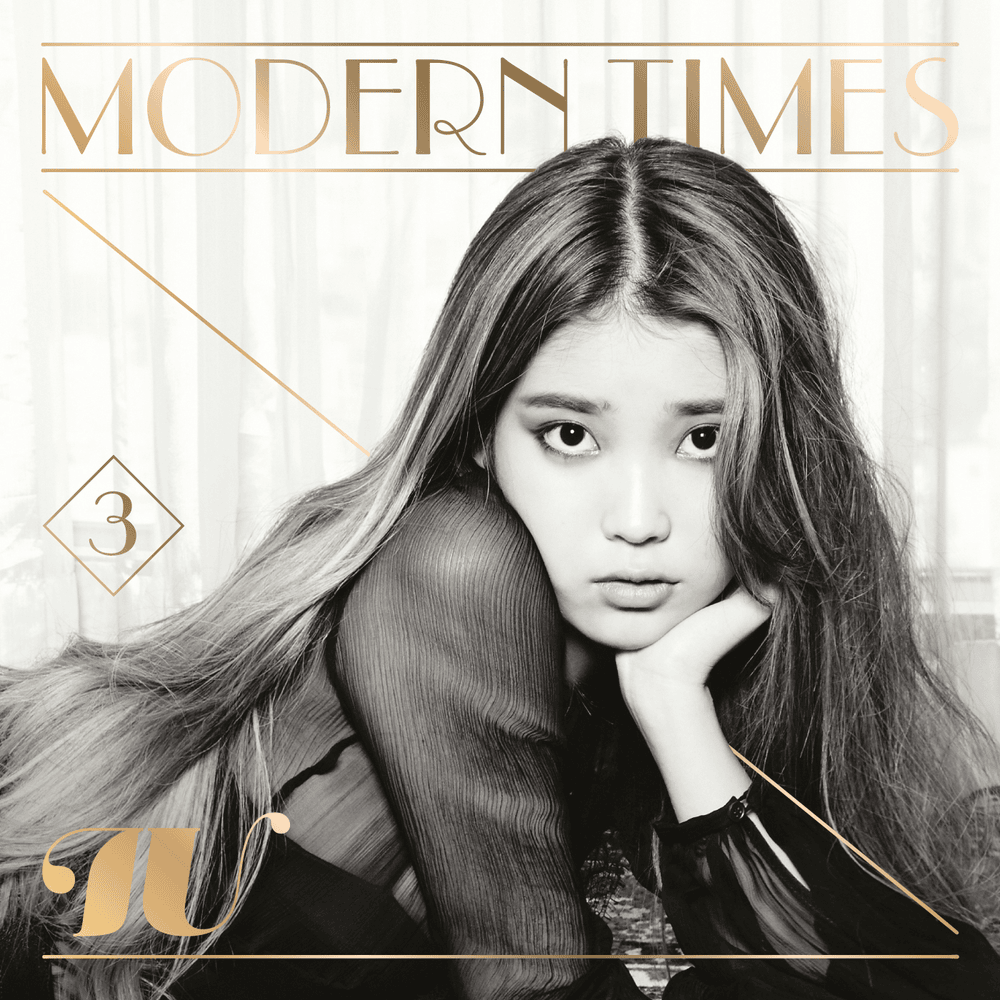
 View Artist