Song Meaning
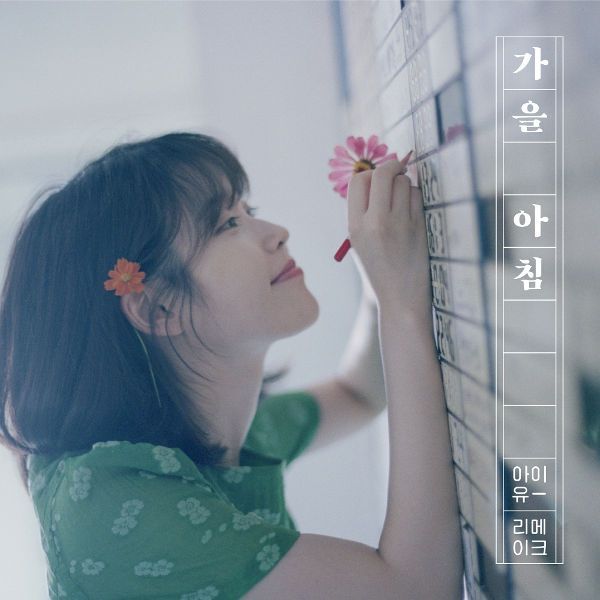
IU's "Autumn Morning" (가을 아침) is less a song and more a sonic portrait of domestic bliss, painted with the delicate brushstrokes of nostalgia and simple pleasures. The lyrics, steeped in the imagery of a crisp autumn morning, evoke a yearning for simpler times, a pre-digital existence where happiness resided in the mundane rhythms of family life. It’s a song that understands how deeply formative the sounds and smells of childhood mornings can be. The "lyrics analysis" reveals a narrative deeply rooted in sensory experience. The "song meaning" isn't about grand gestures or epic narratives, but in the quiet joy found in the ordinary.
Consider the opening verses: the gentle awakening to birdsong, the sun streaming through the window, the almost-but-not-quite sneeze. These are not earth-shattering events, but they are the building blocks of a contented existence. The references to the mother preparing breakfast, the father returning from a walk with mysterious medicinal water, the children heading to school – these vignettes paint a picture of a family unit functioning in harmonious chaos. It's a celebration of the everyday, elevated by IU's ethereal vocals and the gentle acoustic arrangement.
What elevates “Autumn Morning” beyond simple sentimentality is the subtle undercurrent of self-reflection. The repeated lines, "Autumn morning, it's a really big joy to me / Autumn morning, it's a really big happiness to me / To me, who only acted spoiled," hint at a past characterized by self-absorption or perhaps a failure to appreciate these simple joys. The later shift to "To me, who chased after passing clouds" suggests a period of chasing fleeting, superficial goals. The song, therefore, becomes a journey back to a more authentic self, a recognition that true happiness lies not in external achievements but in the embrace of the present moment and the appreciation of familial bonds. It’s a reminder that sometimes, the most profound experiences are the ones we almost overlook in our rush to achieve something 'more'.
 View Artist