Song Meaning
The lyrics paint a picture of profound isolation and unfulfilled longing, set against the backdrop of a move to Tokyo. The narrator grapples with an inability to express their feelings, a recurring theme that fuels their internal struggle. This emotional paralysis is palpable, creating a sense of being stuck despite the physical relocation.
The central tension lies in the narrator's desperate desire for connection versus their perceived inadequacy. They repeatedly reach out, "前に 前に 手を伸ばして" (reaching forward, forward), yet remain unable to achieve their goals, leading to tears in their small room. This cycle of failed attempts and subsequent despair highlights a deep-seated insecurity and a yearning for their inner world to be understood by others.
The craft here is in the stark contrast between the narrator's internal turmoil and the mundane reality of their situation. The shift from a "四畳半" (four-and-a-half mat room) to a "七畳半" (seven-and-a-half mat room) signifies a change in living space, but not necessarily in emotional state, as the crying persists. The repeated phrase, "そんなそんな意気地ない世界" (such a spineless world), underscores the narrator's self-perception and their wish for someone else to articulate these feelings.
Ultimately, the lyrics resonate because they capture the universal pain of feeling unheard and the difficult process of self-acceptance. The narrator's realization that "変わるのは自分だ" (it's myself who must change) marks a turning point, suggesting a nascent hope. The desire to "誰かに届けてみたくなった" (want to try and deliver it to someone) signifies a move from passive wishing to active, albeit tentative, expression, finding a fragile strength in the attempt itself.
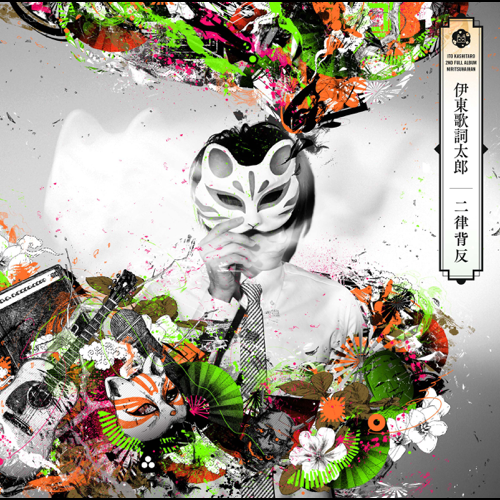
 View Artist