Song Meaning
The narrator is facing a stark, isolating winter, a season that mirrors an internal chill. The fading warmth of summer and the absence of light from the stars signal a profound loneliness. This isn't just physical discomfort; it's a spiritual plea for companionship, a desperate request for a "spirit" to ward off the encroaching darkness and the "evil cold."
The core tension arises from this desperate need for connection clashing with a palpable sense of vulnerability. The narrator acknowledges the shared existence with another person – "You breathe the same air as me" – and proposes a simple, primal exchange: physical closeness for warmth. This offer, however, is framed by an almost childlike plea, "Who cares what I might say Lord 'cause I'm / Cold tired and hungry," suggesting a state so basic that social niceties or even coherent thought are secondary to immediate survival and comfort.
The most striking element is the juxtaposition of the intimate, almost desperate plea for warmth with the looming, external threats. The narrator is "half naked" under "them running overhead" – a phrase that evokes a sense of being watched or judged, perhaps by unseen forces or even just the vast, indifferent night sky. This external "terror in the skies" and the "evil cold" contrast sharply with the "feeble arms of flesh and bone," highlighting a profound powerlessness against both the elements and an unspecified dread.
Ultimately, the lyrics resonate because they tap into a fundamental human need for comfort and security when facing overwhelming external forces. The raw, almost childlike declaration of being "Cold tired and hungry" cuts through any pretense, revealing a core vulnerability. The narrator's simple proposition – to hold someone for warmth – is a powerful, unadorned expression of seeking solace in another's presence against the harsh realities of existence.
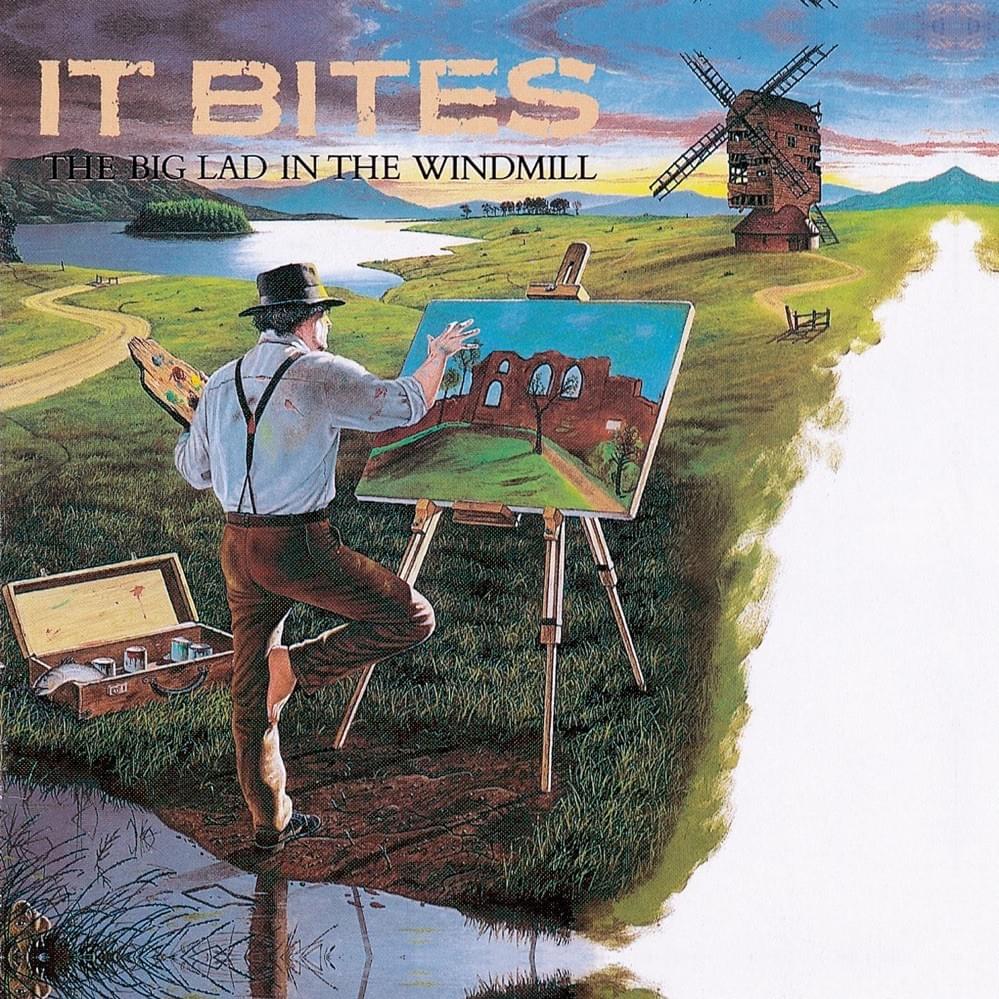
 View Artist