Song Meaning
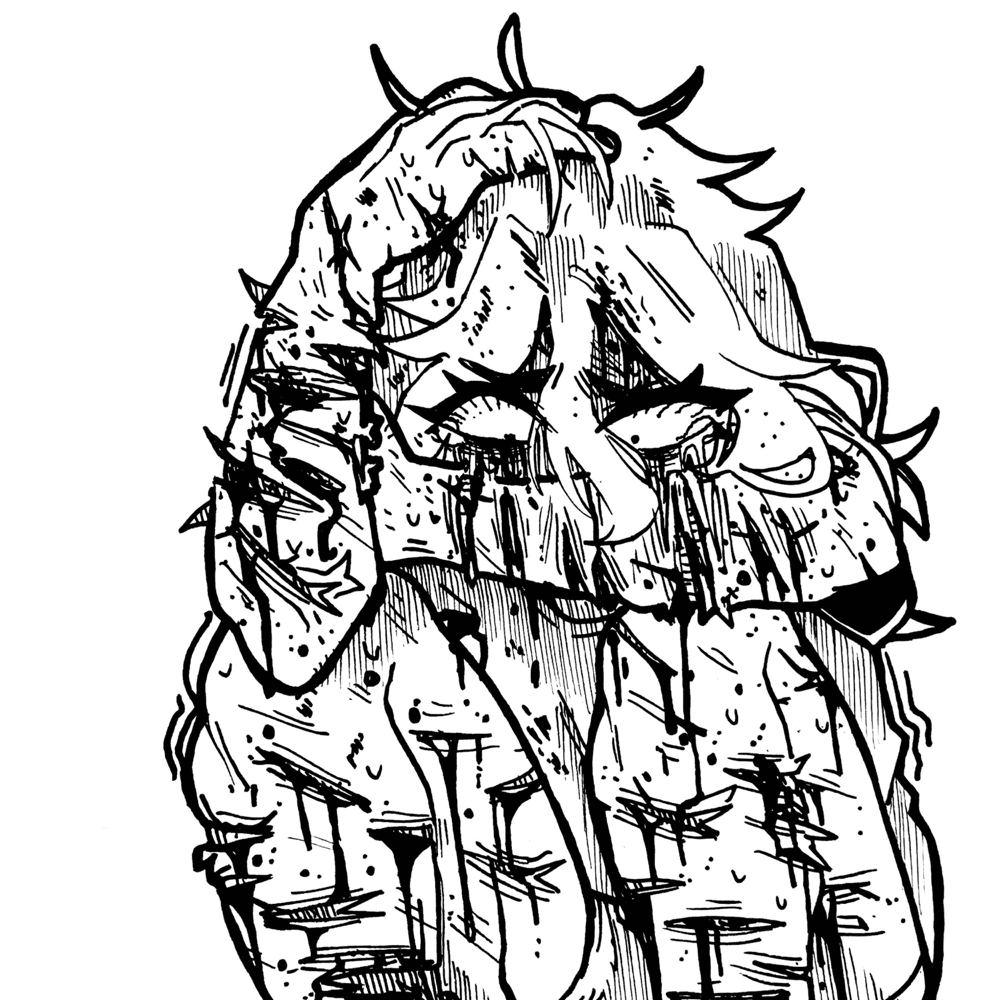
The lyrics paint a stark picture of isolation and lingering attachment. The narrator is physically alone, yet haunted by the presence of someone absent, evidenced by the lingering scent on the pillow and water on the windowsill. This persistent sensory detail underscores a profound sense of loss, trapping the narrator in a state of emotional paralysis, a 'limbo' that prevents them from engaging with the outside world. Instead of seeking solace or distraction, they retreat further inward, choosing to 'sit and cry myself to sleep.'
The central tension arises from the narrator's struggle with dependency and the crushing weight of solitude. The repeated phrase 'grey in the head' perfectly captures a mental fog, a dullness born from the absence of connection. This isn't just sadness; it's a draining of color and vitality from their inner life. The stark contrast between the desire for 'someone to hold' and the reality of being 'alone' is palpable, amplified by the desperate plea, 'I'd take sultry instead of bein' alone.'
The most striking aspect of the craft is the pervasive use of the color 'grey' to represent a state of emotional and mental depletion. It’s not just a feeling; it’s a condition that affects their perception and existence. The lyrics also reveal a self-awareness of unhealthy dependence, as the narrator admits, 'I should stop being so dependent on you' and acknowledges the physical and emotional toll, 'scratch marks off my skin.' This internal conflict between recognizing the need for change and succumbing to the overwhelming inertia of loneliness is what gives the song its raw power.
Ultimately, these lyrics resonate because they articulate a specific, visceral experience of emotional desolation. The writing doesn't shy away from the bleakness, presenting a raw, unvarnished portrayal of how profound loneliness can feel like a literal fading of the self. The narrator’s willingness to confront their own dependency and the extreme, almost nihilistic conclusion – 'rather be dead than exist on my own' – highlights the devastating impact of feeling utterly disconnected.
 View Artist