Song Meaning
These lyrics paint a vivid portrait of profound affection, a speaker utterly captivated by a beloved. It's a tender, joyful ode, celebrating someone who brings immense happiness and pride. The language is rich with endearments, painting a picture of cherished beauty.
The central emotional tension here isn't conflict, but rather the overwhelming nature of this deep love, expressed through a cascade of precious imagery. The beloved is not just beautiful but *the* standard of beauty, a source of pure delight. The lines "Cherished by the grandparent" and "A beautiful lei for the parent" suggest a love that is foundational, perhaps familial, and certainly a source of honor and continuity across generations.
Craft-wise, the repeated use of "lei" is particularly striking. A lei is a garland, but it's also a powerful metaphor for a beloved child or a cherished person. By calling the beloved a "pearl lei" and a "beautiful lei," the lyrics suggest they are both a precious adornment and a deeply integral part of the speaker's life, something to be worn close to the heart. This imagery elevates the beloved to something both naturally beautiful and profoundly valuable.
Ultimately, these lyrics are effective because they don't just *tell* us the speaker loves someone; they *show* us the depth of that love through a tapestry of specific, evocative Hawaiian imagery. The progression from being the "best of flowers" to the "beautiful flower of the heavens" makes the beloved seem not just lovely, but almost divinely so, cementing their place as the ultimate object of affection and admiration.
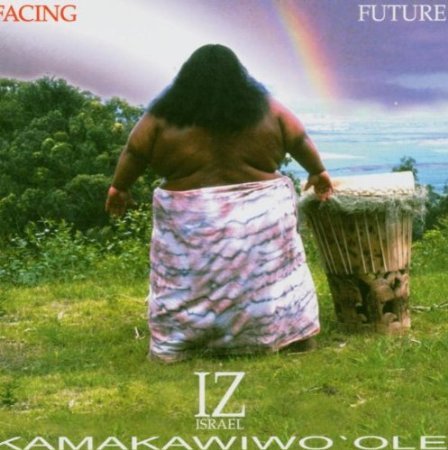
 View Artist