Song Meaning
The lyrics paint a visceral picture of a desperate, losing battle. The narrator finds themselves on the "stinging end," a position of vulnerability and pain, facing an overwhelming, invasive force. This isn't just a physical confrontation; it's a psychological one, where the "tongue is spilling pins" and the "voice" acts like a "rusted plane," suggesting a destructive, decaying presence that inflicts deep wounds. The repeated phrase "mosquito control" becomes a chilling mantra, highlighting the narrator's role in a grim, perhaps self-destructive, process of containment.
The central tension lies in the narrator's forced participation in their own demise or subjugation. They are actively engaged in "mosquito control," yet they are also the one being "suck[ed] dry" and left with a "poison itch." This paradox suggests a situation where the act of self-preservation or control is inherently damaging, leading to a "life under the swatter." The imagery of "pulling wings tight" and "strip to paralyze" evokes a sense of brutal, meticulous destruction, mirroring the relentless nature of the threat.
The most striking craft element is the personification of the threat as both a mosquito and a force of "control." The "beak pierces me," and the "skin erupts into a rash," blurring the lines between attacker and the victim's own reaction. The "mating of the swarm" and "mating of the filth" juxtaposes biological reproduction with decay and corruption, amplifying the sense of an unstoppable, repulsive infestation. The lyrics repeatedly emphasize a draining, depleting action: "suck you dry," "bleed me dry."
This writing is effective because it uses sharp, unsettling imagery to convey a profound sense of being overwhelmed and violated. The narrator's active role in what feels like their own destruction creates a disturbing psychological layer. The relentless focus on physical sensations of stinging, itching, and draining, combined with the abstract concept of "control," makes the experience feel both immediate and inescapable. It’s a stark depiction of being caught in a cycle of harm, where the very mechanisms of defense lead to further suffering.
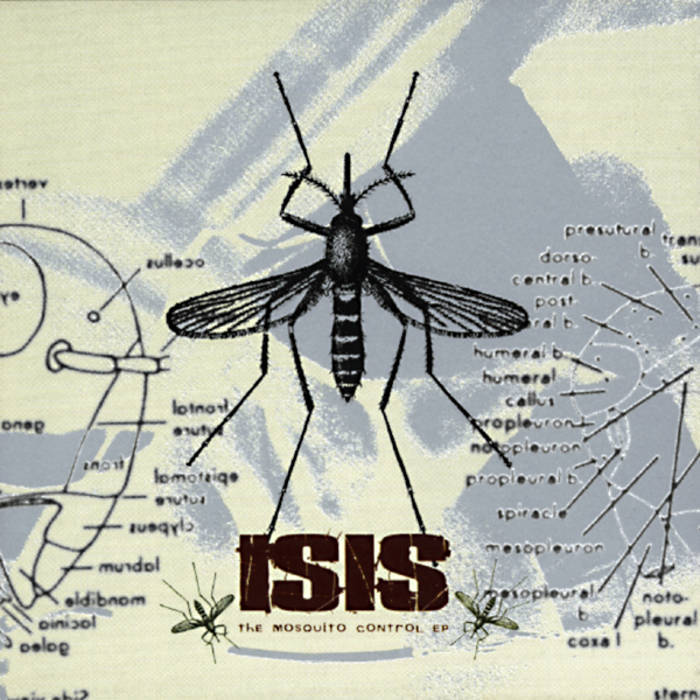
 View Artist