Song Meaning
The narrator poses a series of hypothetical transgressions and failings, questioning if a specific person's affection would endure. The opening lines paint a stark picture of potential moral compromise: "Si j'avais volé, si j'avais trahi." This establishes a tone of deep insecurity, where the narrator imagines themselves in the worst possible light, asking if love could survive such darkness. The repeated question, "Est-ce que tu viendrais si j'étais perdue?" underscores this central anxiety.
The core tension lies in the narrator's fear of abandonment versus the perceived depth of the other person's love. They probe the limits of this affection, wondering if it's "assez profonde / Pour porter secours à l'amour qui tombe." The imagery of falling love suggests a vulnerability that the narrator fears might be too much for their beloved to handle. This is further amplified by the idea of having "la nuit tout au fond des yeux," a profound darkness that might obscure any sense of direction or hope.
The most striking craft element is the stark contrast between the narrator's imagined self and their hypothetical actions towards the beloved. While the narrator contemplates their own potential for sin and failure, they express an unwavering commitment to the other: "Moi, si c'était toi qui étais perdu / J'aurais, je crois, tellement couru." This declaration of relentless pursuit, even into "l'infinie éternité," highlights the narrator's deep-seated insecurity about their own worthiness, projecting an ideal of devotion they fear they might not receive in return.
These lyrics hit hard because they articulate a universal fear of not being enough, of pushing loved ones away through one's own perceived flaws. The conditional structure, "Si j'étais perdue," creates a constant state of suspense, forcing the listener to confront the fragility of relationships when faced with doubt. The narrator's willingness to imagine the absolute worst in themselves, while simultaneously holding onto a desperate hope for unconditional acceptance, makes the plea for reassurance incredibly potent.
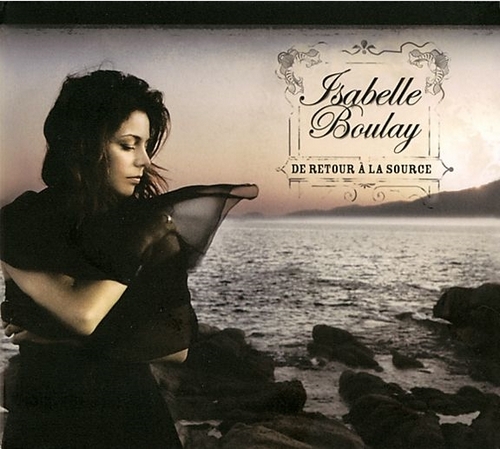
 View Artist