Song Meaning
The lyrics paint a stark picture of hardship and despair, opening with images of a prisoner weeping and a vagabond sleeping in the rain. These scenes of suffering are juxtaposed with moments of vulnerability, specifically when the narrator falls asleep in someone's arms. This intimate setting, meant for comfort, instead triggers a profound existential question: "Où va la chance? À toi? À moi?" (Where does luck go? To you? To me?).
The central tension arises from this contrast between physical closeness and emotional distance, between a perceived safe harbor and the overwhelming presence of misfortune. The narrator sees "blessures jamais guéries" (wounds never healed) and a man lost in drink to escape his reality, suggesting a pervasive sense of brokenness that even intimacy cannot fully dispel. The repeated question about luck’s destination implies a fear that misfortune is contagious or that even in shared moments, individual fates remain starkly separate and uncertain.
The most striking element is the cyclical, almost ritualistic questioning that punctuates the verses. Each verse presents a new tableau of suffering – a lost man, ruined cities from war – before returning to the same intimate moment and the same desperate inquiry. This repetition hammers home the narrator's inability to escape these grim visions, even when seeking solace. The simple, direct question about luck’s distribution feels less like a philosophical musing and more like a raw plea for understanding or perhaps a desperate hope that luck might somehow be shared or transferred, rather than solely experienced by the unfortunate.
This lyrical construction is effective because it grounds abstract anxieties in concrete, albeit bleak, imagery. The power lies in the unresolved nature of the question and the unsettling intimacy of its setting. The narrator isn't just observing suffering; they are internalizing it, and in the quiet of being held, they are forced to confront the arbitrary nature of fortune, wondering if it will land on them, their companion, or simply pass them by entirely.
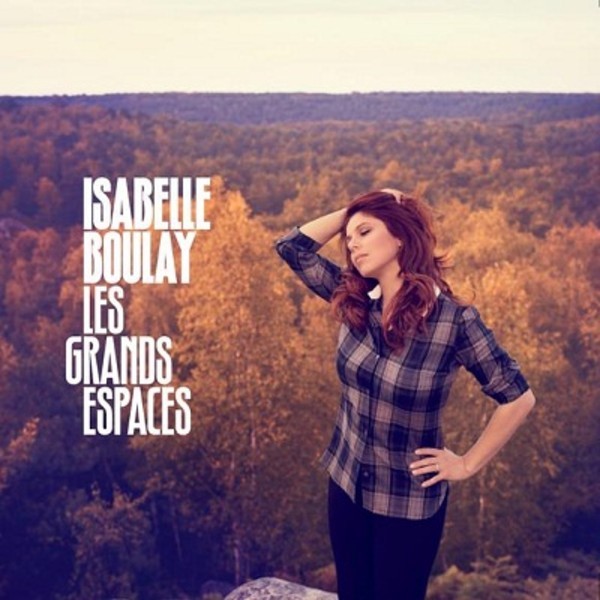
 View Artist