Song Meaning
The lyrics paint a picture of solitary longing against a vast, indifferent natural backdrop. A lone narrator stands by the sea, listening to its murmur and feeling a profound sense of ennui. The imagery of the wind chasing clouds and the sea speaking to the shore establishes a mood of gentle melancholy and isolation, setting the stage for a deep personal yearning.
This solitude is punctuated by the narrator's unique connection to the natural world, specifically the song of a passing bird. She feels she alone understands its melody, a private communion that highlights her detachment from human connection. Her heart trembles, awaiting someone who will 'take his home' – a desire for companionship and belonging that remains unfulfilled, creating a central tension between her internal world and the absent external presence.
The repeated, almost incantatory "Coucouroucoucou Paloma" acts as a refrain, a call into the void that mirrors the bird's song. It’s a sound that seems to embody both the bird's freedom and the narrator's own hopeful, yet uncertain, plea. The shift from "je m'ennuie" (I am bored/weary) to "Ce soir je ne suis plus triste" (Tonight I am no longer sad) signifies a profound emotional pivot, suggesting that the act of singing this song, of connecting with the bird's call, has brought a revelation: 'Je sais que l'amour existe' (I know that love exists).
The effectiveness of these lyrics lies in their delicate balance between the external, expansive natural imagery and the intensely personal, internal emotional landscape. The narrator's journey from ennui to a hopeful certainty, triggered by her perceived understanding of a bird's song and her own vocal response, is a subtle yet powerful portrayal of finding solace and conviction within oneself, even in the face of profound aloneness.
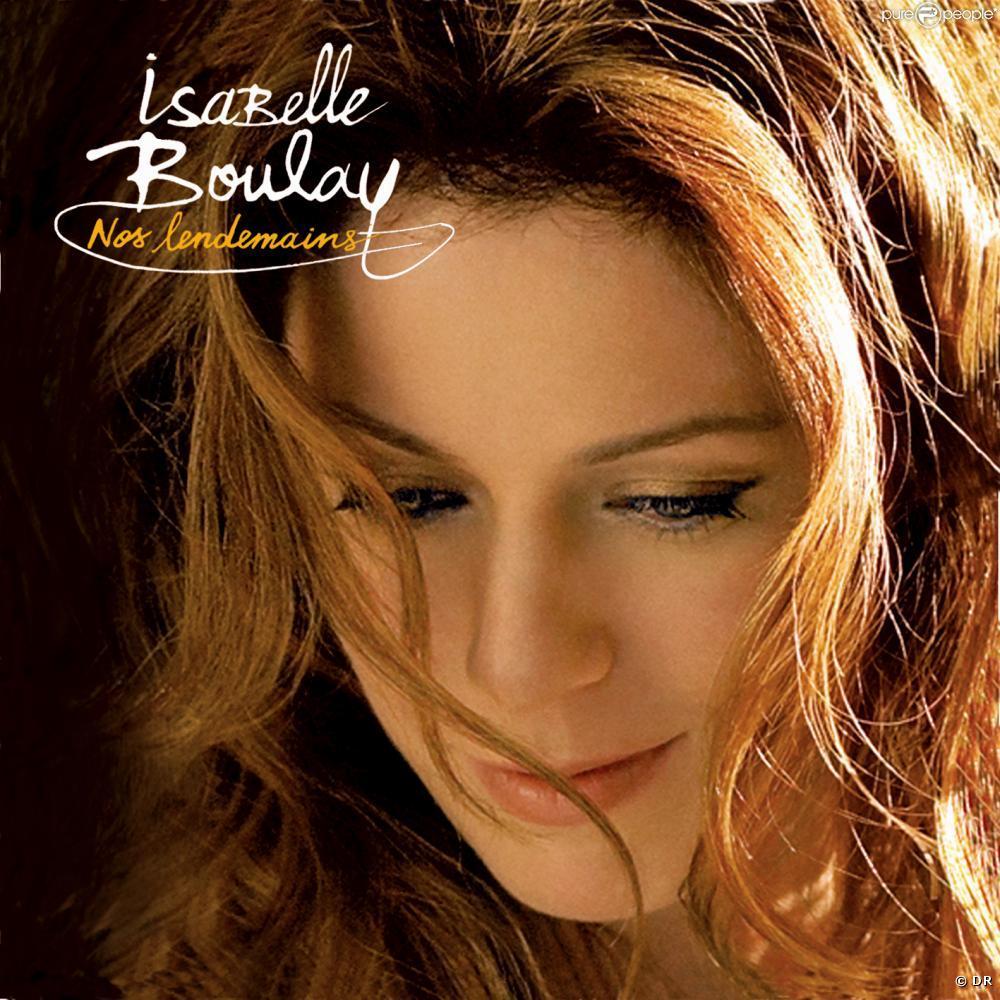
 View Artist