Song Meaning
This song calls for a profound awakening, urging the listener to confront the natural forces that shape existence and their own agency. The opening lines immediately establish a connection to the elemental: the mountain, wind, sun, and water, suggesting a source of power and origin. The narrator directly addresses a figure who controls these elements and, crucially, "sowed the flight of your soul," implying an inherent, perhaps divine, potential within. This sets a tone of reverence mixed with a powerful call to action, rooted in the natural world.
The core tension emerges as the lyrics shift from observing nature to human connection and struggle. The command to "look at your hands" and "clasp your brother's to grow" introduces a theme of solidarity and collective action. This is not just about individual awakening but about unity in the face of oppression, explicitly asking to be freed "from him who dominates us in misery." The juxtaposition of natural imagery with human struggle highlights the desire for a return to a more just and equitable state, mirroring the purity and power of the elements.
The most striking craft element is the powerful, almost paradoxical, imagery used in the latter half. The plea to "blow like the wind the flower of the ravine" evokes a gentle, natural growth, but this is immediately contrasted with "clean like the fire the barrel of my rifle." This juxtaposition of natural beauty and violent necessity creates a visceral tension, suggesting that the fight for justice requires both the nurturing force of nature and the cleansing, destructive power of fire, applied to instruments of conflict. It’s a potent image of a struggle where liberation demands both growth and battle.
Ultimately, the lyrics resonate because they tap into a deep human desire for justice and self-determination, grounding it in both the awe-inspiring power of nature and the essential bond between people. The repeated "Amén, amén, amén" at the end, echoing a prayer, transforms the call to action into a solemn, almost sacred vow. The song effectively uses the language of natural forces and communal prayer to articulate a powerful yearning for liberation and a just world, making the struggle feel both elemental and deeply personal.
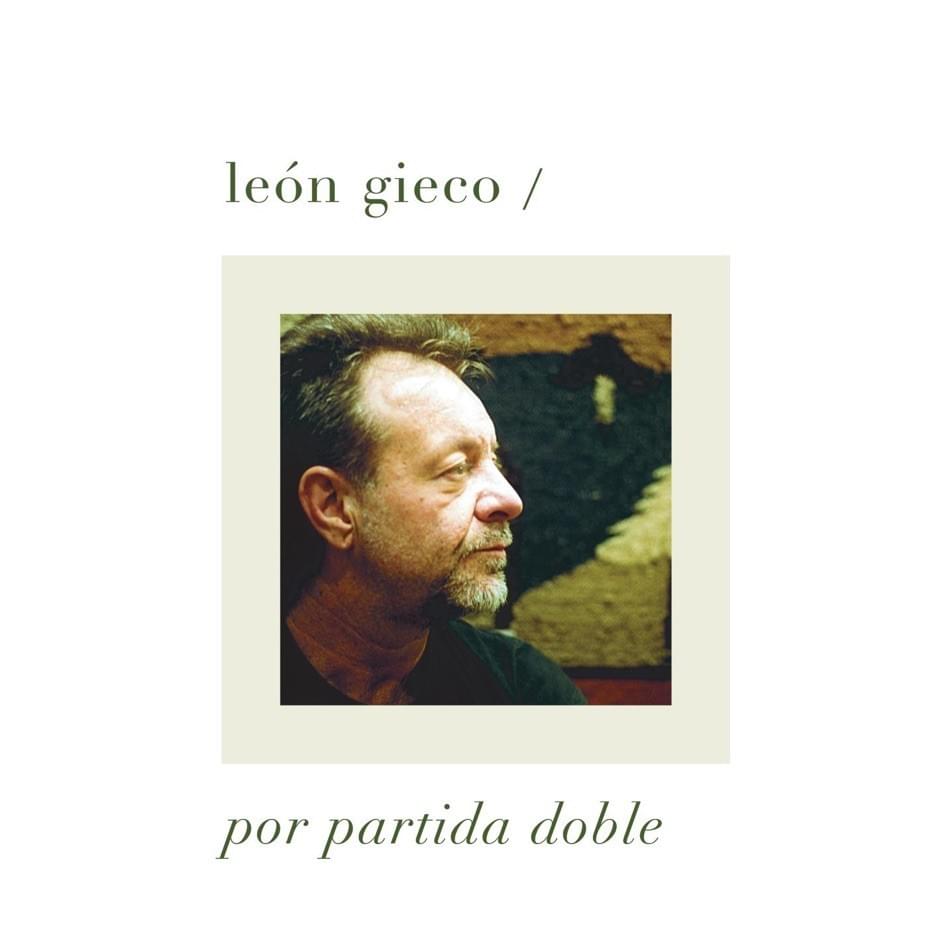
 View Artist