Song Meaning
These lyrics open with a stark confession of despair: "Cuando te perdí / Pensé que era imposible ser feliz sin ti." The speaker believed her emotional life was over, declaring, "Creí que estaba muerta en el amor." Yet, this initial heartbreak quickly gives way to a powerful realization of self-resurrection. She found herself not only alive but transformed, stating, "Que era otra mujer / Que volví a nacer."
The central tension here is the dramatic shift from absolute dependence to defiant independence. The chorus directly challenges the former lover: "Qué tal me va sin ti pregúntame / Y escucha mi respuesta." It's a rhetorical question, loaded with the speaker's newfound confidence. She doesn't just claim to be doing well; she insists, "me va muy bien / No te puedo mentir," escalating to the ultimate declaration, "me va mejor."
The craft of these lyrics shines in the stark contrast between the past and present. The initial lines paint a picture of profound grief – "Lloré lo que jamas nadie lloro por mi" and feeling a "corazón" broken. But this intense suffering is directly linked to its cessation: "Porque al perder tu amor pregúntame / Se me acabo el sufrir." The repetition of "Cuando te perdí" in the verses sets up the initial pain, while the repeated "Qué tal me va sin ti" in the chorus hammers home the triumphant reversal.
What makes these lyrics so effective is the raw honesty about the depth of past pain, which makes the current liberation feel incredibly earned. The speaker admits, "Pero me engañé / Yo me equivoqué," acknowledging her error in believing she couldn't survive without the relationship. This self-awareness, combined with the direct, almost taunting confidence in the chorus, creates a deeply satisfying narrative of resilience and self-discovery that resonates long after the final lines.
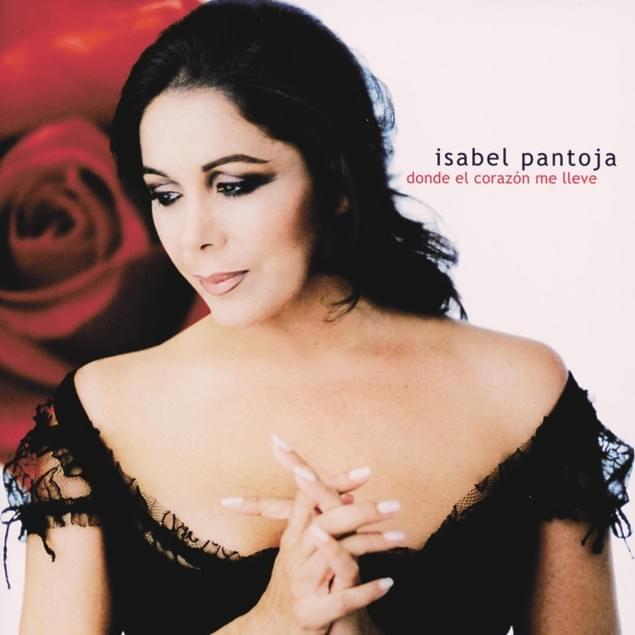
 View Artist