Song Meaning
The lyrics paint a stark picture of enduring heartbreak, where a "pobre corazón" clings to memories while hope dwindles. The dominant tone is one of profound loneliness and sorrow, amplified by the absence of a loved one. The narrator's world has shrunk to the space left by their departure, making each passing day a testament to their unfulfilled longing.
The central tension lies in the narrator's unwavering commitment to waiting for someone who has seemingly abandoned them. Despite the passage of seasons – spring, summer, fall, and winter – and the implied duration of this wait, the narrator remains fixated on the promise of return. This cyclical structure of time passing underscores the stagnation of their emotional state, trapped in a perpetual present of absence.
The most striking craft element is the stark contrast between the vibrant imagery of the changing seasons and the narrator's static emotional reality. While the world outside moves through its natural cycles, the narrator is frozen, "sigo sola pensando en él." This juxtaposition highlights the depth of their isolation and the way their personal grief eclipses the external world's progression. The repetition of "Y no lo he vuelto a ver" hammers home the painful reality that the promised return has not materialized.
This lyrical construction is effective because it grounds the abstract pain of waiting in concrete, relatable imagery. The seasonal progression provides a tangible measure of time, making the narrator's prolonged suffering feel immense. The final lines, "El amor que yo quiero me está matando," transform the passive act of waiting into an active, destructive force, revealing the true cost of this unfulfilled hope.
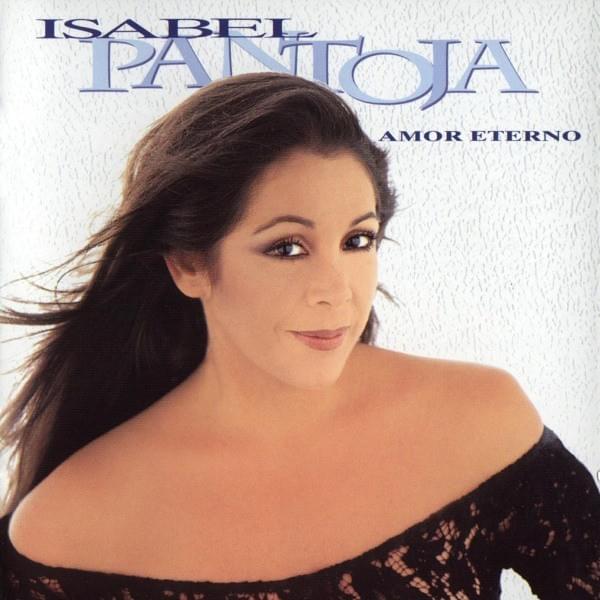
 View Artist