Song Meaning
The lyrics open with a direct, urgent plea, questioning a growing silence that threatens a relationship. The speaker asks "Dime qué nos pasa vida mía," immediately establishing a tone of confusion and deep concern. There's a palpable sense of something precious slipping away, "poniendo un fin a nuestro tiempo."
A central tension emerges from the speaker's bewilderment: how can such profound love lead to such intense suffering? The lines "Si yo se que tanto nos amamos / Si hoy sufrimos por amor" highlight this painful paradox. The "grande este dolor" feels inexplicable given the depth of their connection, driving the speaker's desperate need for answers.
The song's emotional arc shifts from questioning to a determined call for action. The repetition of "Dime" in the opening verses gives way to "Tenemos que volver a conversar," signaling a proactive stance. The speaker insists on creating "tiempo tu y yo" and allowing "el sentimiento pueda mas," suggesting a belief that their love, if given space, can overcome the current estrangement.
These lyrics resonate by capturing the universal struggle to salvage a fading connection, even when love remains. The raw honesty of the questions and the refusal to accept defeat—declaring "Que este amor no ha muerto / Y esto no es el fin"—make the plea both vulnerable and powerful. It's a testament to the enduring hope that communication can reignite a love that feels lost but not extinguished.
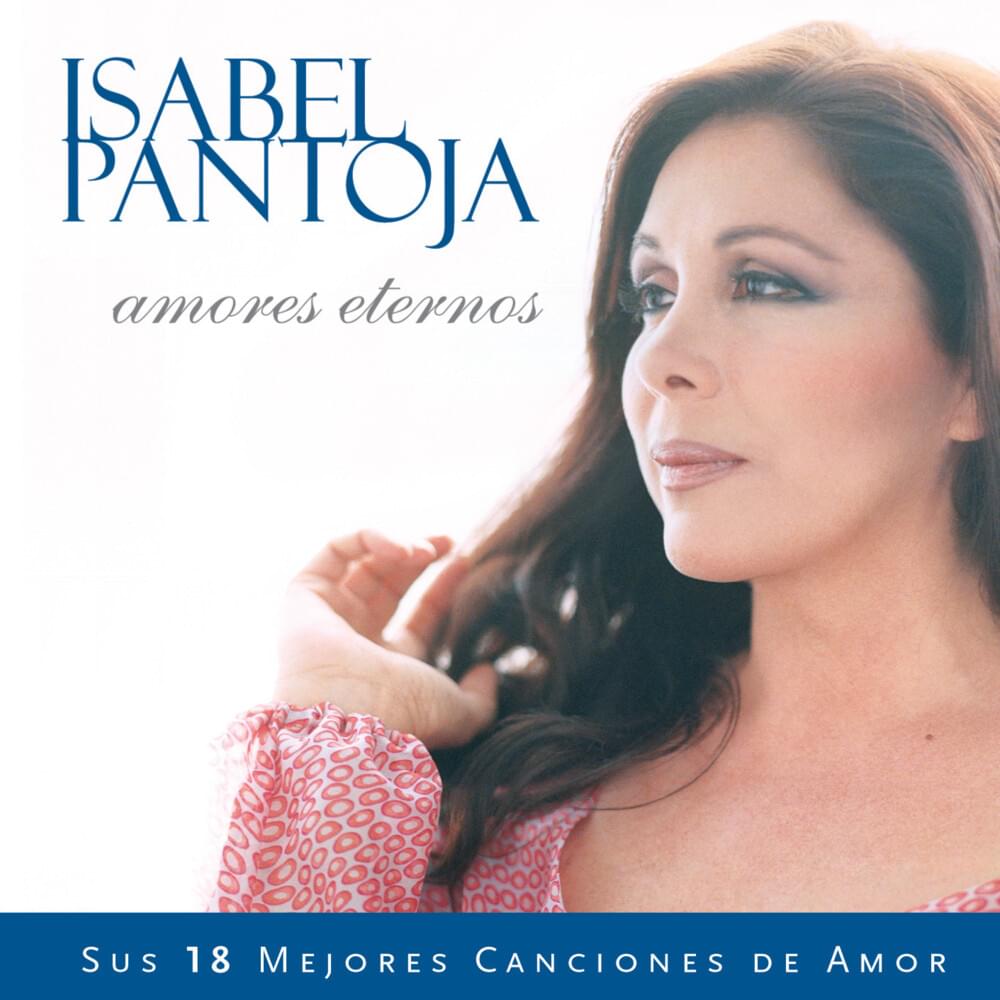
 View Artist