Song Meaning
The lyrics immediately plunge into a world of intense, almost overwhelming affection, where external gossip fuels an internal fire. The narrator observes someone spreading tales of their mutual devotion, particularly how the other person "mueres tu por mi." This isn't a complaint, but an acknowledgment of a love so potent it borders on the dramatic.
A core tension emerges between public perception and private passion. While neighbors are gossiping about the relationship's comings and goings, the narrator seems to revel in the intensity, even playfully warning against a sudden demise, implying a reciprocal intensity. This suggests a love so consuming it mirrors the partner's own fervent declarations, creating a powerful, almost co-dependent emotional landscape.
The repeated, enigmatic term "Garlochi" acts as the emotional anchor, a deeply personal word that appears to encapsulate the very essence of the connection. It's not just a name; it seems to represent a life or path requested and given. The line "Me robas mi garlochi" suggests a possessive intimacy, implying "Garlochi" is something intrinsic to the narrator, now intertwined with their beloved, making the bond uniquely theirs and fiercely guarded.
The lyrics effectively convey a love that is both grandly declared and intimately expressed. The narrator's admission, "pierdo yo el sentio," speaks to an all-encompassing passion, yet this dramatic sentiment is grounded by the simple, tender offering of "Pan totaito migaito con café." This blend of hyperbolic devotion and domestic tenderness creates a compelling portrait of a love that defies external judgment, culminating in a stark warning that if the partner ever regrets this bond, "Ya remedio no tendrá," underscoring the irreversible depth of this commitment.
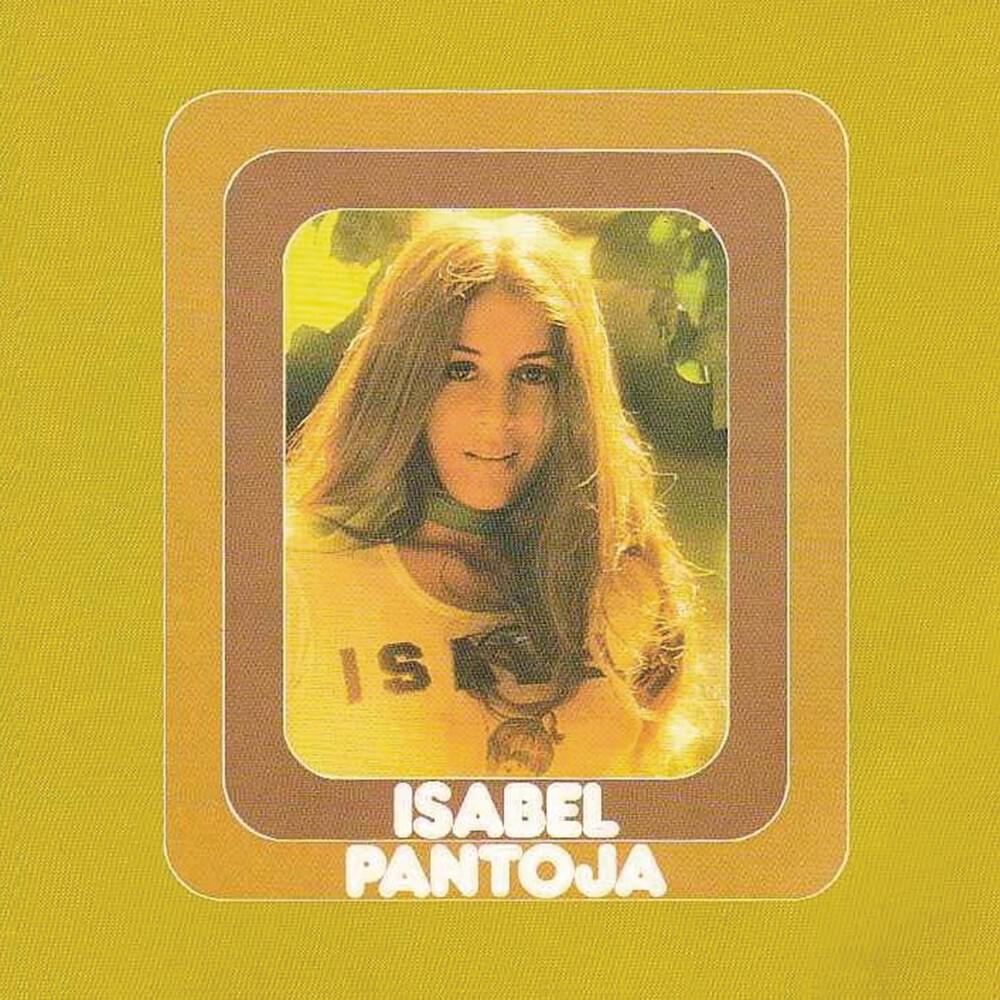
 View Artist