Song Meaning
Isaac Hayes doesn't just sing "His Eye Is On The Sparrow"; he inhabits it. The song, a gospel standard, becomes less about rote religious affirmation and more about Hayes's profound, almost defiant, self-possession. The opening questions – "Why should I feel discouraged? Why should the shadows fall?" – aren't pleas for divine intervention, but rhetorical challenges thrown at the darkness itself. Hayes isn't passively waiting for salvation; he's actively wrestling with doubt. The genius here lies in how Hayes takes ownership of a hymn, transforming it into a personal statement of resilience. He's not just comforted; he's empowered.
The repeated assertion, "I sing because I'm so happy, everyday I sing because God made me free," isn't just a statement of faith; it's a declaration of independence. It's the sound of a man who has found freedom not in dogma, but in the simple act of expressing himself. The "yeah" punctuating the line is pure Hayes – a raw, guttural affirmation that transcends the purely spiritual. It’s a claiming of joy, a refusal to be silenced by the weight of the world. The extended vocalizations and repetitions towards the end ("I know, said I know, I know that, I know that, I know / You can't tell me that I don't know") drive this point home.
The phrase "His eye is on the sparrow" traditionally suggests divine protection, but within Hayes's interpretation, it takes on a different resonance. It's not merely about being watched over; it's about being seen, acknowledged, validated. The sparrow, a small, seemingly insignificant creature, is noticed by a higher power. Hayes seems to suggest that his own struggles, his own existence, are equally worthy of attention and care. This isn’t just faith; it's a radical act of self-acceptance and a powerful assertion of intrinsic worth. He knows he is watched, and that knowing is enough.
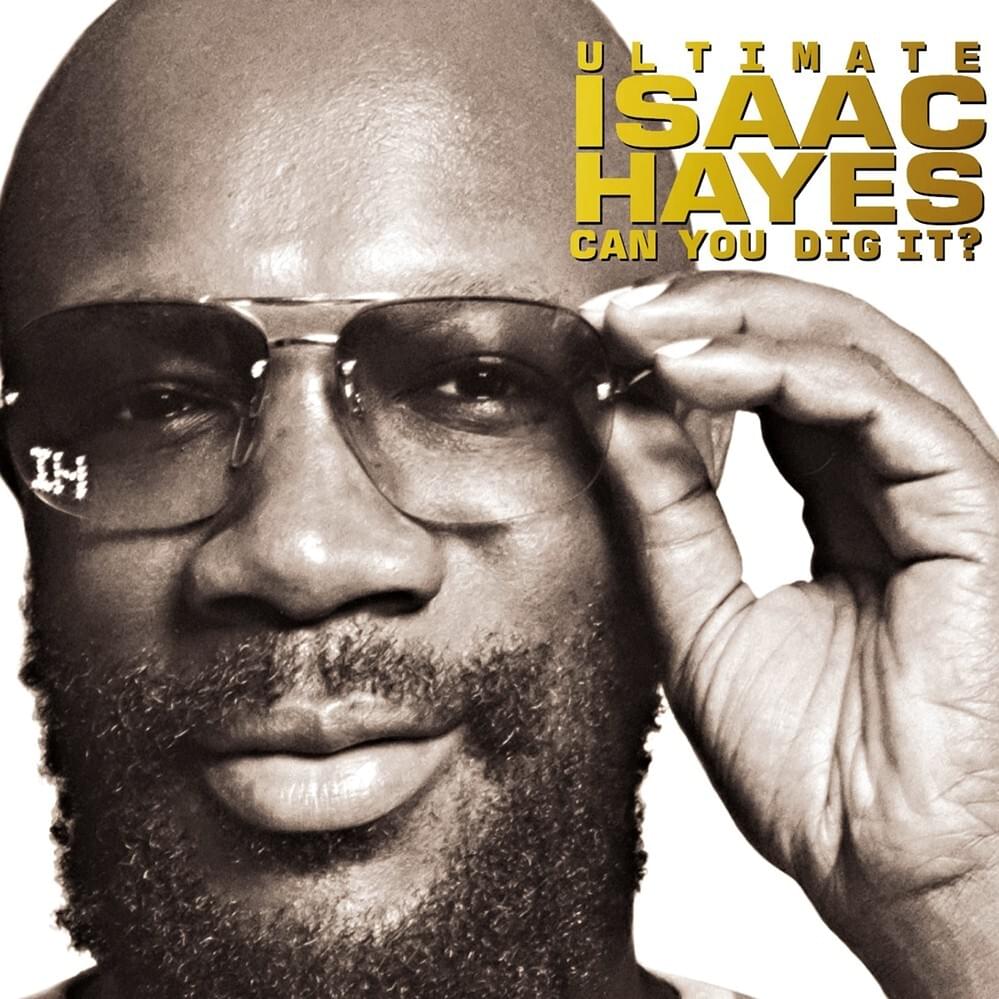
 View Artist