Song Meaning
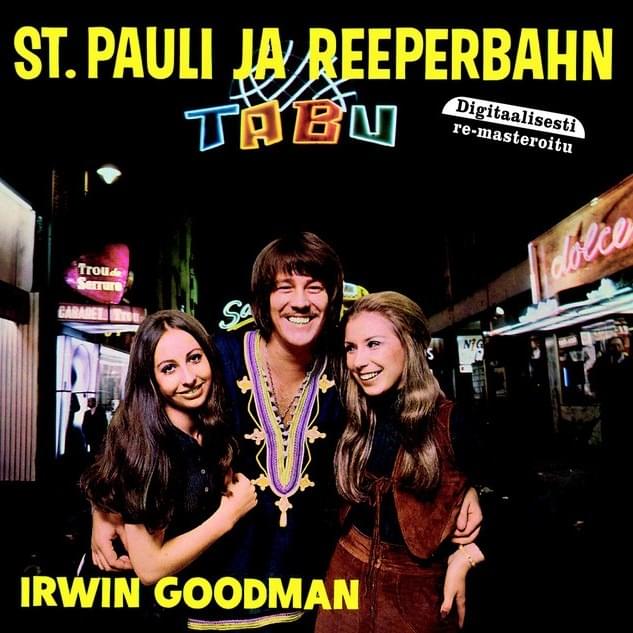
Irwin Goodman's "St. Pauli Ja Reeperbahn" is a potent shot of wanderlust, nostalgia, and the intoxicating allure of a place that exists just outside the boundaries of polite society. The song meaning revolves around the magnetic pull of Hamburg's infamous red-light district, a siren call that Goodman can't seem to resist. It's more than just a geographical location; St. Pauli and the Reeperbahn become a symbol of freedom, indulgence, and escape. The lyrics paint a vivid picture of a world where days and nights blur into a continuous celebration fueled by "kauniit naiset, laulu, viini" (beautiful women, song, wine). This romanticized vision of Hamburg is filtered through the rosy lens of memory, where the grit and grime are glossed over in favor of a more idealized, hedonistic experience. The repeated chorus, "Sinne veri vetää uudestaan" (the blood draws there again), emphasizes the primal, almost instinctual draw to this place.
Beneath the surface-level description of revelry, "St. Pauli Ja Reeperbahn" touches on deeper psychological themes. The yearning expressed in the lyrics suggests a dissatisfaction with the mundane, a craving for something more exciting and authentic. The speaker isn't just longing for a specific place; he's longing for a state of being, a time when he felt truly alive and uninhibited. The mention of "kolibriin" (hummingbird) – likely a reference to a bar or club – hints at the fleeting, ephemeral nature of these experiences. The song acknowledges that the joy found in St. Pauli is temporary, but that doesn't diminish its power or the desire to return. This acceptance of transience is key to understanding the song's appeal; it's a celebration of the moment, a refusal to be bound by societal expectations or long-term consequences.
Ultimately, Irwin Goodman's ode to St. Pauli and the Reeperbahn is a testament to the enduring human desire for escape and adventure. It's a reminder that sometimes, the most meaningful experiences are found outside the well-trodden path, in places where the rules are different and the spirit of rebellion reigns supreme. The song's enduring popularity likely stems from its ability to tap into this universal longing, offering listeners a vicarious taste of freedom and a reminder that there's always a world waiting to be explored, even if it's just in our memories.
 View Artist