Song Meaning
Irwin Goodman's "Juhlavalssi" drips with a potent, almost cynical irony, painting a vivid picture of societal disparity. The song's setting, a grand ball in a castle, immediately establishes a chasm between the elite and the common folk. Goodman doesn't just observe this divide; he dissects it with surgical precision. The 'heroes' adorned with medals, symbols of their perceived worth, are implicitly contrasted with the absent Sven Tuuva, a figure representing the forgotten or excluded. The recurring refrain, lamenting Sven Tuuva's absence, becomes a haunting reminder of those left behind in the wake of celebratory excess.
The lyrics subtly mock the self-congratulatory nature of the ruling class. References to their 'intelligence' and the 'work' their brains have done are delivered with a knowing wink, suggesting that their accomplishments are perhaps overstated or built upon the backs of others. The flow of champagne and the supposed flourishing of the nation under their rule are presented as a facade, a carefully constructed narrative that ignores the underlying inequalities. Goodman keenly understands the power dynamics at play, and how easily those in power can manipulate perceptions of reality.
Ultimately, "Juhlavalssi" is a biting commentary on privilege and exclusion. The song's meaning lies not just in its depiction of the opulent ball, but in its persistent highlighting of Sven Tuuva's absence. It's a stark reminder that progress and prosperity are not universally shared, and that the celebrations of the elite often come at the expense of the marginalized. The final verse, acknowledging that nature bestows gifts unequally, adds another layer of complexity. Is Goodman suggesting a deterministic view of society, or is he simply pointing out the inherent unfairness that allows some to thrive while others are left to struggle? The song offers no easy answers, instead forcing the listener to confront the uncomfortable truths about social stratification and the human cost of unchecked power.
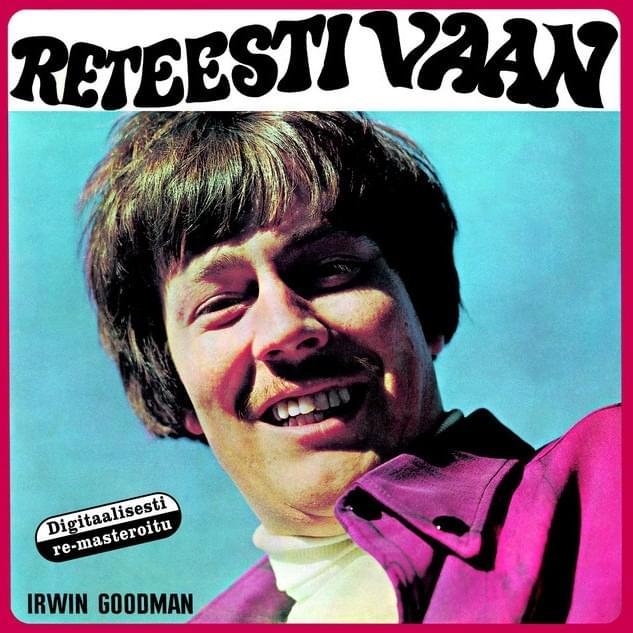
 View Artist