Song Meaning
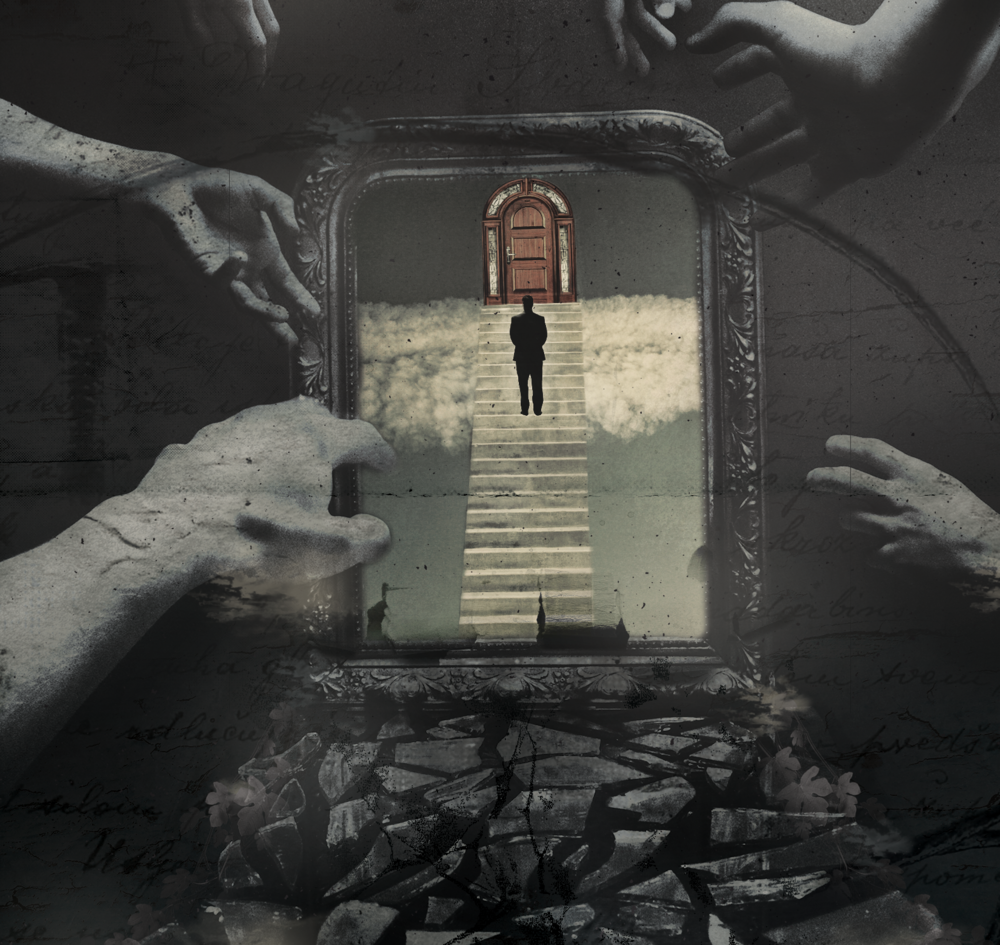
The lyrics present a stark confrontation with an inner darkness, framed by the imagery of eyes as a reflective surface. The narrator invites a direct gaze, warning that what lies within will be revealed, suggesting a profound internal struggle that has been long suppressed. This initial invitation, however, is immediately undercut by a plea to leave, highlighting a deep-seated fear of rejection and abandonment, a pattern that has clearly repeated throughout their life. The narrator understands this reaction, admitting they too would flee, but their own paralysis prevents escape, creating a potent sense of being trapped by their own internal 'demons.'
The second section, "Czynnik ludzki" (Human Factor), shifts focus to the nature of potential and action, using domestic objects as metaphors. A knife needs a hand to kill, and gas needs a spark to explode; in isolation, these elements are inert and harmless. This contrasts sharply with the human mind, where 'thoughts circle,' leading to an internal explosion. The lyrics suggest that unlike inanimate objects, the human capacity for destruction or self-destruction is inherent and self-contained, making the individual 'most dangerous' when left to their own internal processes.
The core tension lies in the narrator's simultaneous desire for acknowledgment and their terror of the consequences. They want to be seen, to have their 'demons' witnessed, yet they anticipate and even expect the viewer to 'leave, like everyone else.' This creates a tragic loop: the fear of being seen drives the behavior that ensures abandonment, and the abandonment reinforces the fear. The paralysis described isn't just physical; it's an emotional and psychological state where the instinct to flee is overridden by an inability to act, leaving the narrator exposed and isolated with their internal turmoil.
What makes these lyrics so effective is their raw, unflinching portrayal of internal conflict. The use of simple, direct language, especially in the first section, amplifies the emotional weight. The contrast between the inviting gaze and the immediate command to 'leave' is particularly striking, capturing the paradox of wanting connection while pushing it away. The shift to the 'human factor' provides a chillingly logical framework for the narrator's self-perception, suggesting that their internal state is not just a personal failing but a fundamental aspect of their being, making their isolation feel both inevitable and profoundly sad.