Song Meaning
The lyrics paint a picture of lingering grief, centered around tangible objects that trigger vivid recollections. The narrator finds a pair of mittens, a rosary, and a wedding photo, each item acting as a portal to specific moments. These aren't just fleeting thoughts; they are "weary memories" that the narrator "can always see" or "easily conjure," suggesting a persistent, almost inescapable presence of the past. The tone is one of quiet, profound sadness, tinged with a sense of loss that has become a constant companion.
The central tension lies in the contrast between the physical absence of the person and the enduring presence of their memory. The objects are found "behind a box of pictures," "broken into pieces," or are "a photo," all suggesting a state of disarray or pastness. Yet, the memories they evoke are sharp and accessible, like the ritual of wearing mittens before tea or kissing rosary beads nightly. This juxtaposition highlights how deeply ingrained these memories are, despite the passage of time or the state of the physical remnants.
The most striking aspect of the craft is the repetition of the phrase "Weary memory I can always see." This refrain anchors the song, emphasizing the burden of remembrance. The word "weary" itself is crucial, implying that these memories are not necessarily comforting but rather a heavy, persistent weight. The narrator also notes that one memory is "chosen to carry," indicating an active, albeit sorrowful, engagement with the past, rather than a passive experience of being haunted.
Ultimately, these lyrics resonate because they capture the specific, almost mundane details that can become imbued with immense emotional significance after a loss. The power comes from grounding abstract grief in concrete images – mittens, beads, a willow tree – and the narrator's honest acknowledgment of how these "weary memories" continue to shape their present reality, becoming a part of their present existence that they "choose to carry."
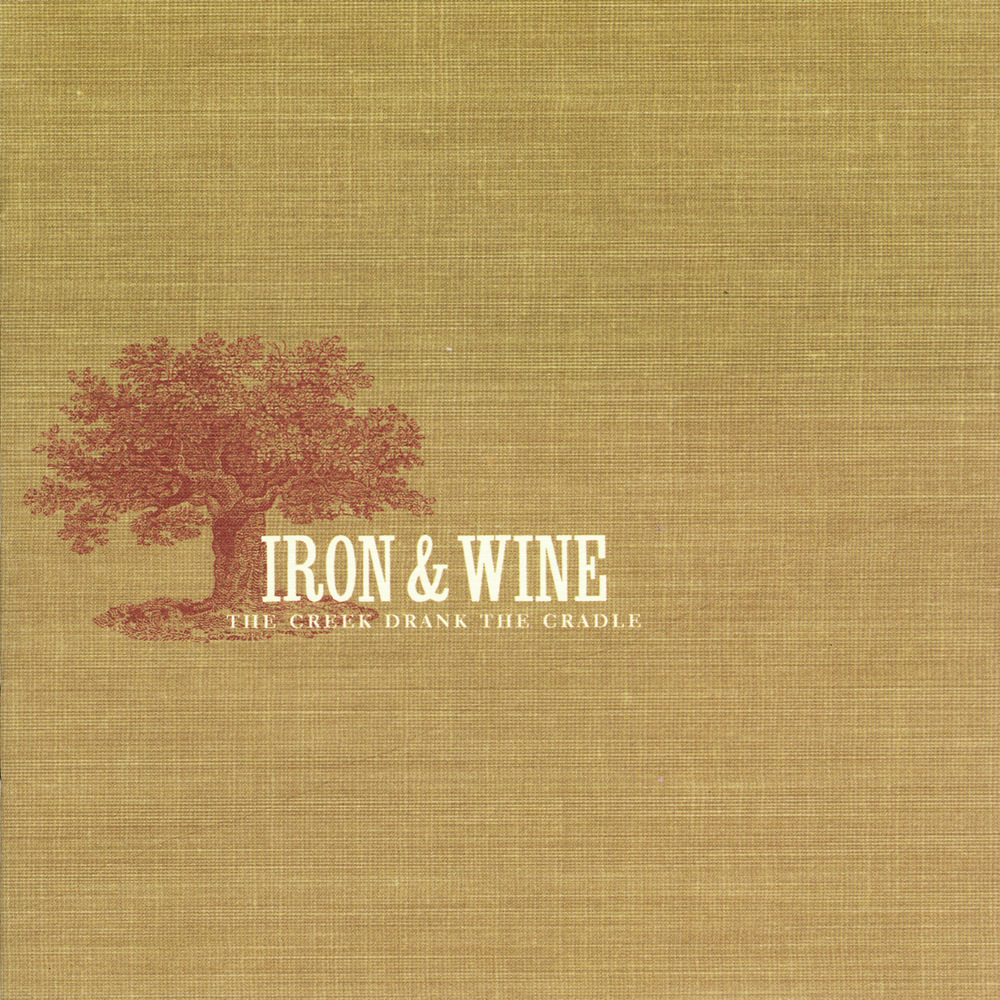
 View Artist