Song Meaning
The lyrics paint a stark picture of inherent inequality and the desperate need for salvation. The opening lines establish a world of fixed roles: some are the powerful river, others the vast sea; some the consuming fire, others the passive leaves. This division extends to spiritual access, with one person holding the "door to heaven" while another possesses the "lock." The narrator observes this dynamic, noting that even those "walking in the morning light" can feel the "cold," suggesting that even perceived advantage doesn't negate hardship. The central idea is that everyone is bound by their own limited understanding, guided by "the truest stars we know."
The core tension arises from the plea to be saved "from what we want," a desire that seems to lead to suffering and being "beaten back to life." This suggests a conflict between innate human desires and a higher, perhaps divine, force that intervenes. The imagery of "Jesus and his trophy wives" praying for the "suicides and the orphans" or the "broken to be noticed" is particularly striking. It juxtaposes a figure of ultimate salvation with a seemingly decadent, perhaps even morally compromised, entourage, highlighting a complex and unconventional view of intercession and divine attention.
The craft hinges on these sharp, almost brutal, contrasts and the cyclical nature of the chorus. The pairing of opposites – river/sea, fire/leaves, heaven/lock, dove/hawk – creates a sense of inescapable fate. The repetition of "Back to life" in the outro, following the phrase "Beautiful and beaten back to life," offers a glimmer of hope, but it’s a hope tinged with the violence of the preceding struggle. It implies that recovery is not gentle but a forceful restoration after being broken.
Ultimately, the lyrics resonate because they articulate a profound sense of helplessness and the yearning for an external force to rectify a flawed existence. The writing doesn't offer easy answers; instead, it uses potent, often jarring, imagery to capture the feeling of being trapped by circumstance and desire, while simultaneously reaching for an unlikely, almost paradoxical, form of grace.
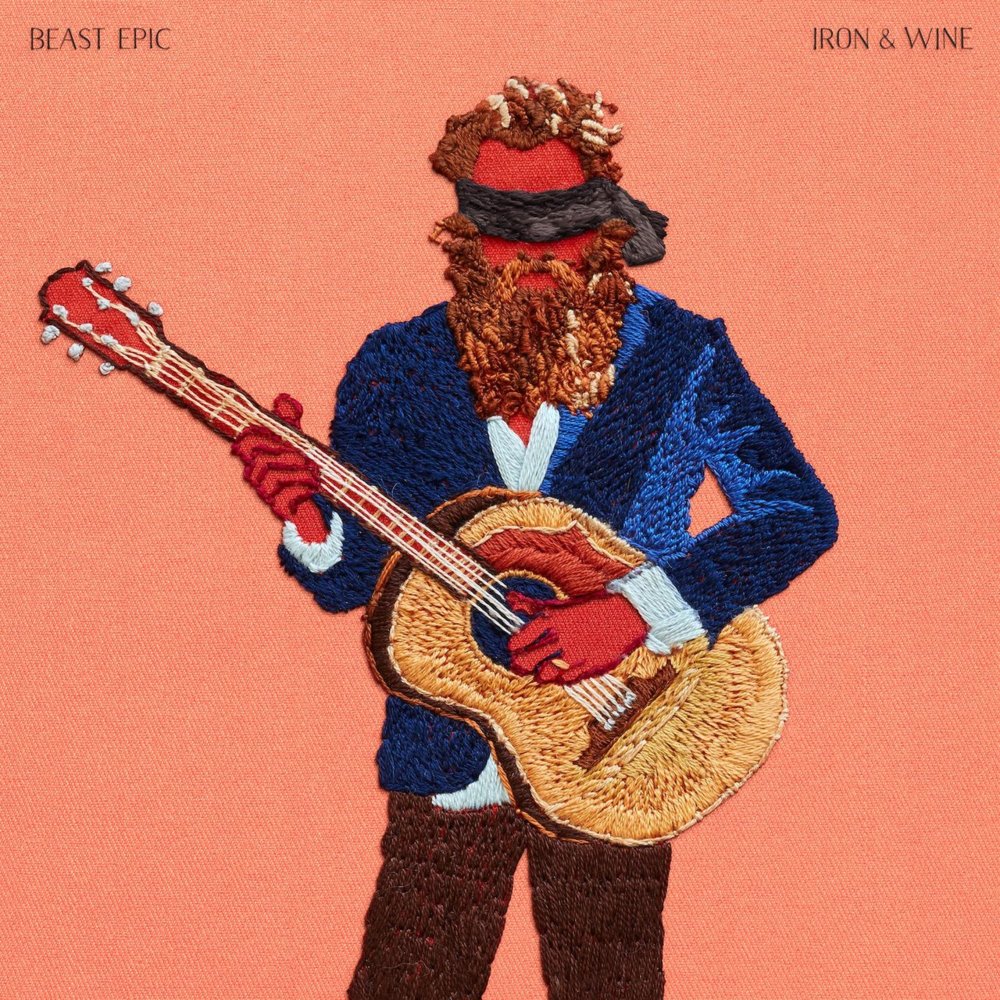
 View Artist