Song Meaning
The lyrics paint a stark contrast between the fleeting vibrancy of summer and the bleak finality of winter, framing a narrative of loss and a plea for composure. The opening lines immediately establish a sense of received wisdom about a departed "boy," while invoking Ophelia, a figure associated with tragic loss and madness, suggesting a deeper, perhaps more profound, sorrow beneath the surface. The narrator urges the listener to "behave," a curious command in the face of such implied grief, hinting at a struggle to maintain outward appearances.
The central tension arises from the cyclical nature of seasons mirroring emotional states, but with a destructive undertone. Summer, initially a symbol of life and beauty, is described as "yelling loud as hope," a powerful, almost desperate image. Yet, this vibrant season is ultimately consumed by winter, which "turns all the summer's love to gray" and "takes what the summer had to say." This suggests that even the most intense joy or hope is ultimately vulnerable to decay and oblivion, leaving behind only a muted, somber aftermath.
The repeated invocation of Ophelia is a key craft element, serving as an indirect voice for unspoken pain. The narrator imagines Ophelia rising and singing, but her voice is stifled by the environment – "if it was her song" and "if the orchard let her." This emphasizes a sense of powerlessness and the inability to fully express or even acknowledge the depth of the loss. The juxtaposition of the externalizes the internal struggle, using the natural world's transitions to reflect the harsh reality of emotional desolation.
This lyrical construction is effective because it uses potent, evocative imagery to convey a profound sense of heartbreak without explicit declaration. The contrast between the bright promise of summer and the cold erasure of winter creates a palpable emotional arc. The narrator's plea to "behave" becomes a poignant expression of the difficulty in managing grief when even the most hopeful moments are destined to fade, leaving only the stark, gray reality of absence.
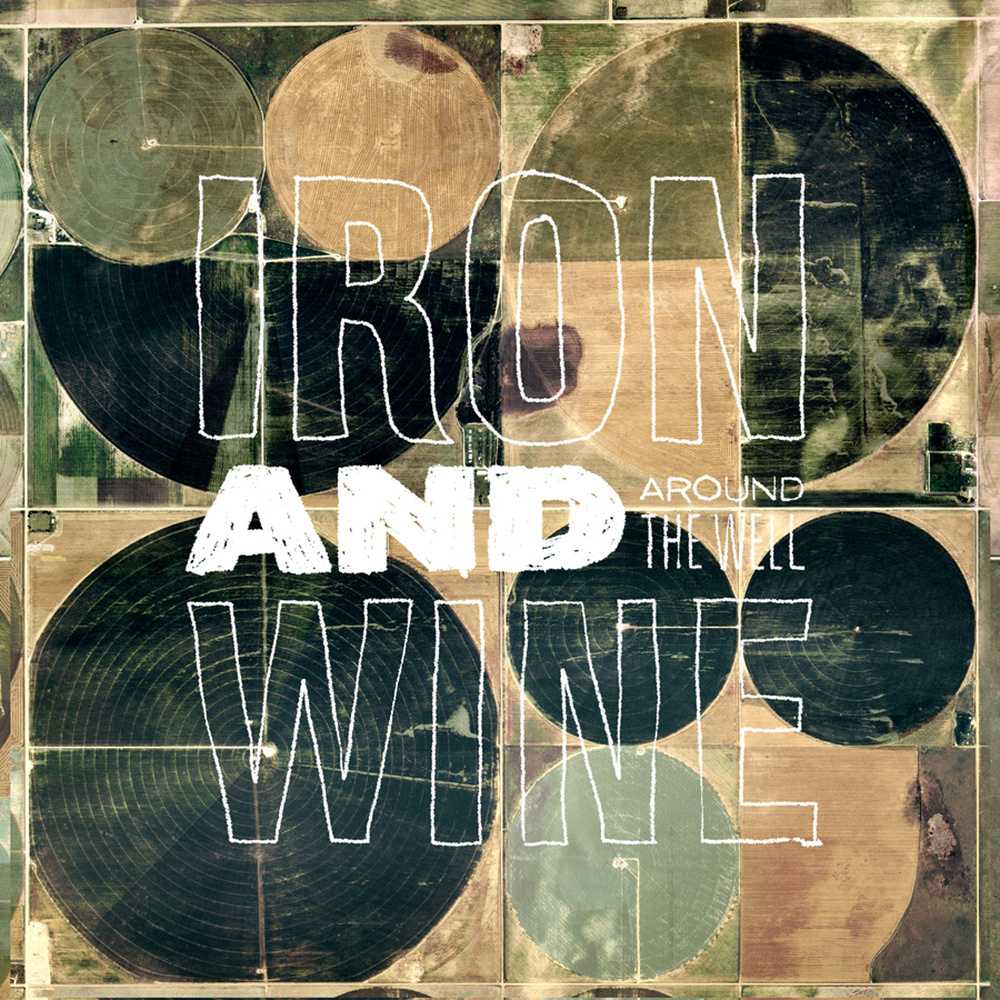
 View Artist